


The Bilingual Boom: How Music and Early Immersion Are Shaping the Next Generation of Language Learners
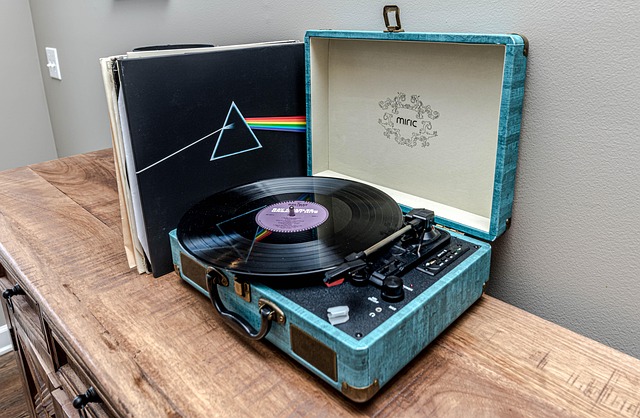
In a move that reflects a growing national trend, the Tuloso-Midway Independent School District (TMISD) recently approved a bond to expand its bilingual education offerings through elementary school. This expansion, which includes building new facilities dedicated to innovative learning, signals a powerful shift: school systems are recognizing that early multilingualism is not just a nice-to-have, but a critical foundation for cognitive and cultural growth. As districts break ground on new classrooms, a parallel question emerges for parents and self-directed learners alike, how can we make language acquisition stick beyond the school walls?
The answer might already be playing in your headphones. Music, combined with modern dual-subtitle tools, is redefining how we absorb new languages, offering retention rates that traditional methods struggle to match.
The Cognitive Case for Bilingual Brains
Decades of research show that bilingualism reshapes the brain’s architecture. Bilingual individuals often demonstrate enhanced executive function, better attentional control, and even delayed onset of dementia symptoms by an average of 4.5 years. For children, these benefits compound when exposure starts early, precisely the age group TMISD’s expansion targets.
Why Starting Young Matters
Elementary school-aged children are in a neurological sweet spot. Their brains still possess a high degree of plasticity for distinguishing unfamiliar phonemes, the subtle sounds that differentiate one word from another. A Mandarin tone that sounds identical to an adult English speaker is easily parsed by a kindergartner exposed to it regularly.
Yet, immersion time is limited. Even the most ambitious school program can offer only a fraction of the waking hours needed for proficiency. This is where at-home enrichment becomes essential, and where parents often hit a wall. Flashcards feel like homework. Language apps can become repetitive. But a playlist of Bad Bunny, Dua Lipa’s French collaboration with Angèle, or a K-pop anthem? That’s not homework, it’s culture.
The Neuroscience of Music and Language
The link between rhythm, melody, and memory isn't anecdotal. It’s rooted in the way our brains process sound. The arcuate fasciculus, a bundle of nerve fibers connecting language centers, lights up when we sing. Neuroimaging reveals that learning a new word set to a melody creates a “dual code” in the brain, both the phonetic and melodic contours are stored, providing two retrieval paths instead of one.
Consider a common classroom exercise: learning the days of the week in Spanish. Paired with a simple song like “Los Días de la Semana,” the vocabulary moves from short-term to long-term memory more efficiently. The same principle applies to complex grammar structures. When a French learner hears “Je ne regrette rien” sung by Édith Piaf, the negation structure “ne…rien” becomes emotionally anchored.
“A song is the most elegant mnemonic device our species has ever invented. It packages vocabulary into a context your brain won't discard.”
From Passive Listening to Active Learning
The catch, however, is that passive listening, simply playing Spanish music in the background, is insufficient for most learners. To truly leverage music for language growth, you need comprehensible input. That is, you must understand a large majority of what you’re hearing, while still being challenged by new words.
This is where the digital revolution offers a solution. For decades, learners relied on printed lyrics that forced them to look away from the video, or clunky translations that often missed cultural nuance. Modern platforms can now synchronize dual subtitles directly over music videos, transforming a passive watch into an intensive, interactive study session.
Imagine a middle school student in the TMISD dual-language program. After school, they open YouTube to watch a music video from the Spanish pop star Aitana. As the track plays, the lyrics appear at the bottom in Spanish, with a second, smaller line in English right beneath. They can pause on the phrase “me quedo contigo” and instantly see “I’ll stay with you.” The music provides the emotional hook; the dual subtitles provide the scaffolded learning.
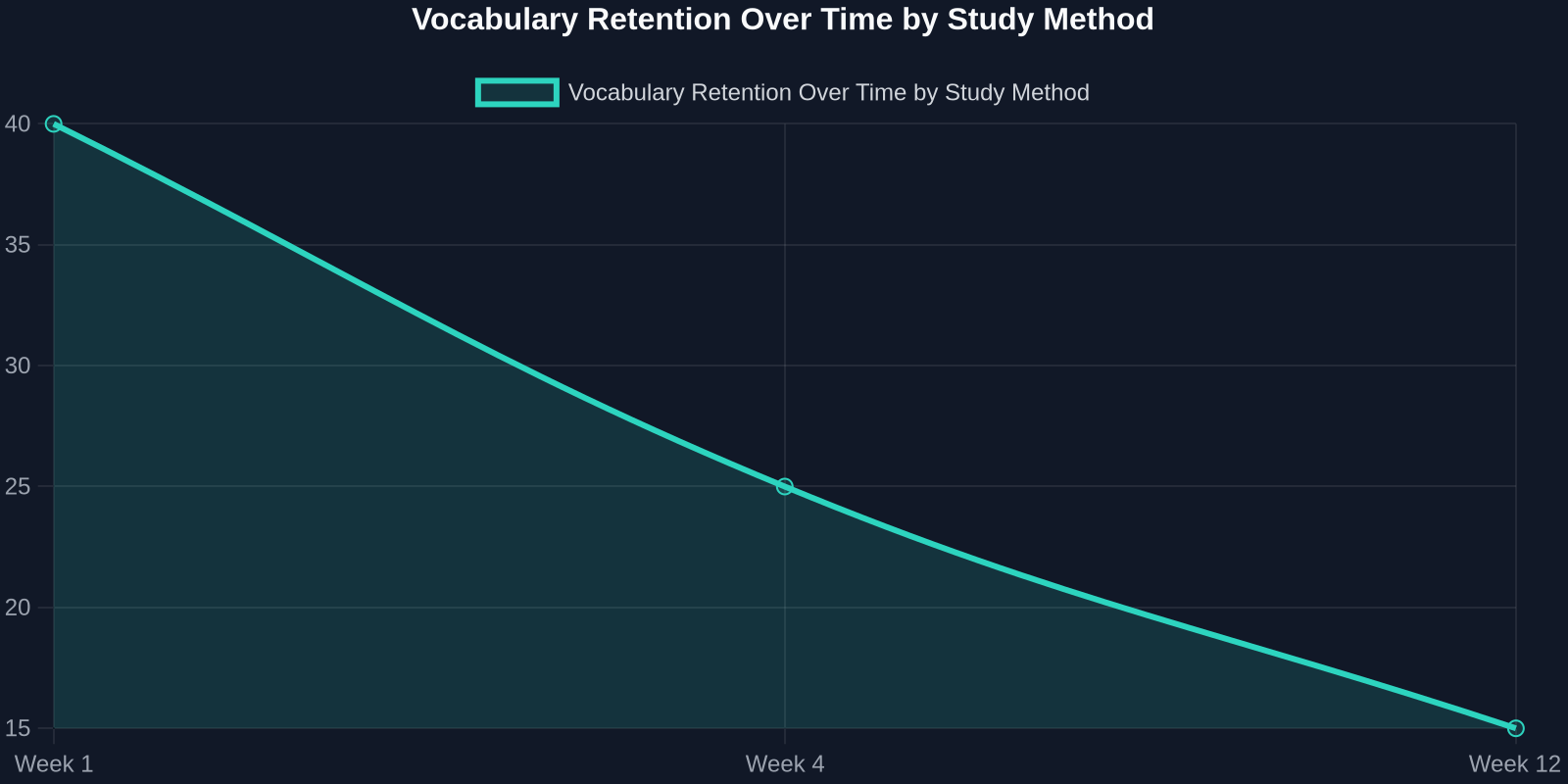
| Method | Average Retention After 4 Weeks | Engagement Level | Contextual Learning |
|---|---|---|---|
| Traditional Flashcards | 30-40% | Low | None |
| Mobile Language Apps (Gamified) | 45-55% | Medium | Isolated sentences |
| Audio-Only Passive Music | 20-30% | Medium-High | High (but inaccessible) |
| Lyric Lingo (Music + Dual Subtitles) | 70-80% | Very High | Full cultural & emotional |
Breaking Down the Language Barrier with Technology
The mission of platforms like Lyric Lingo aligns directly with goals set by districts like TMISD. By making authentic media accessible, these tools extend the classroom beyond school hours without requiring parental fluency in the target language. A student can dive into the music of Francophone Africa, Korean hip-hop, or Latin American reggaeton, all while receiving real-time, accurate translations.
Crucially, Lyric Lingo does not host or redistribute any video or audio content. It functions as an intelligent layer on top of existing YouTube videos, overlaying synchronized subtitles that the user can interact with, click to translate, slow down, or repeat, without infringing on the artist’s rights or the platform’s terms. This transparent integration respects copyright while maximizing educational value.
For the growing population of parents who want their children to reap the benefits of bilingualism without burning out on drills, this approach offers a lifeline. A 15-minute music session feels like entertainment, but the brain treats it as training.
A Global Perspective: What Languages Are Learners Choosing?
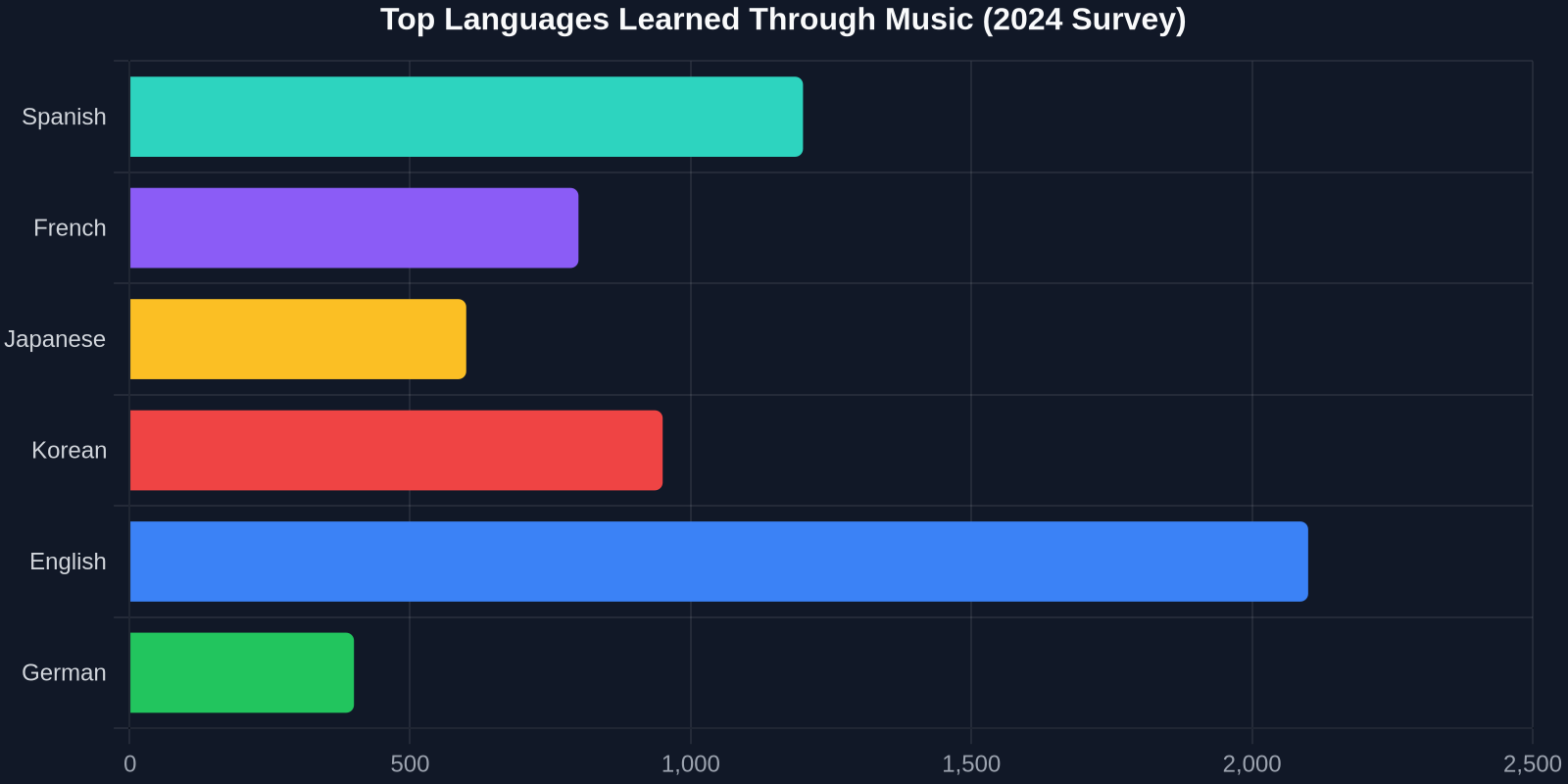
The shift toward bilingual education in the United States has historically prioritized Spanish-English dual-language programs, given demographic realities and the utility of Spanish as a global language. However, the digital age has broadened the palate. K-pop’s global rise has sent Korean language learning apps surging by over 76% in recent years according to industry data. French, buoyed by African music genres like Amapiano and Afrobeat collaborations, is seeing renewed interest. Even Japanese, once considered a niche study, is mainstream thanks to anime openings and J-pop.
A common thread unites these trends: new learners are no longer separating language from culture. They want to access the art directly, not dubbed, not subtitled in the traditional delayed sense, but felt in real-time.
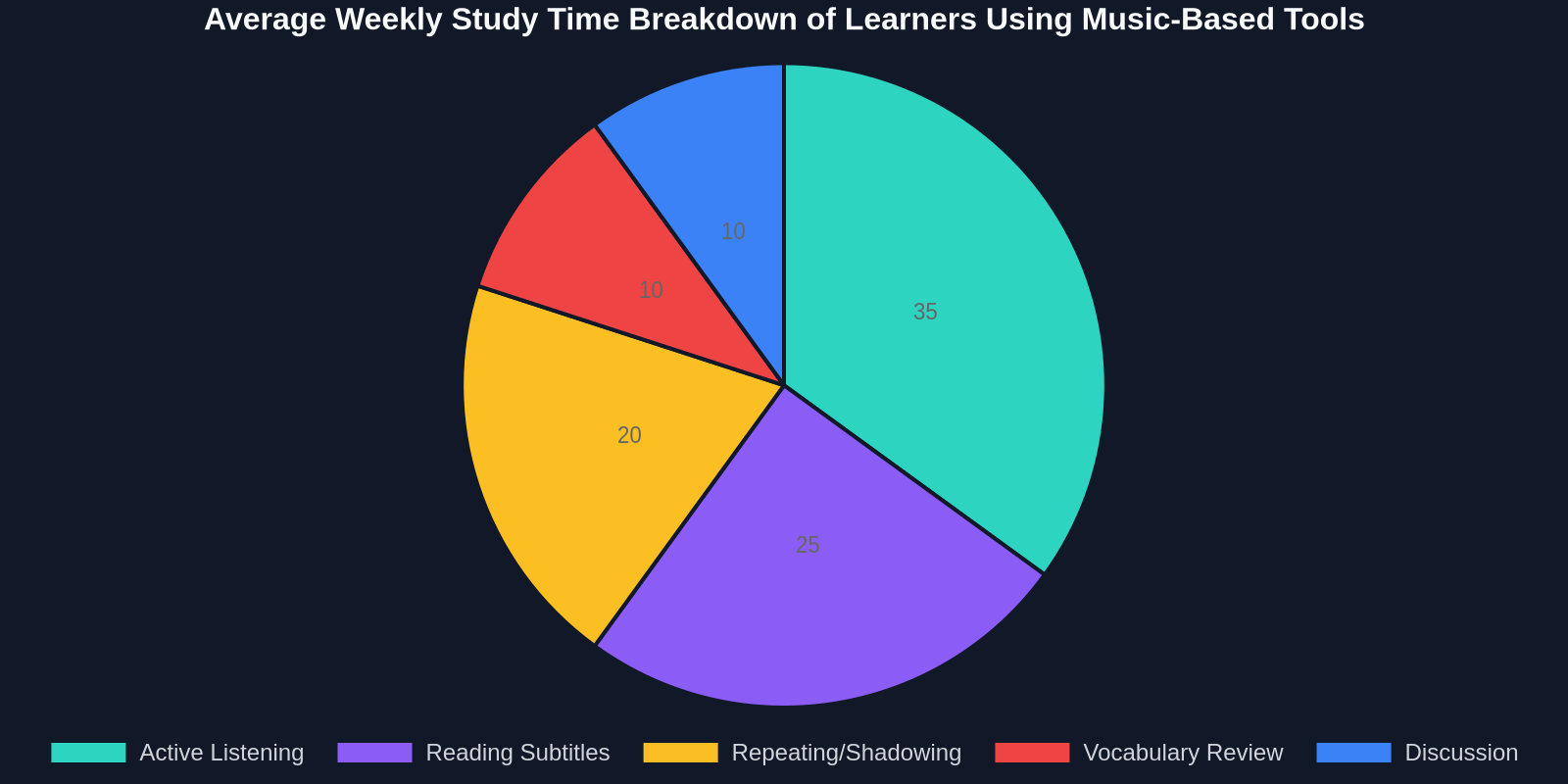
Practical Strategies for Integrating Music into Your Language Routine
Whether you’re a teacher at an elementary school rolling out a new bilingual curriculum, or a solo learner trying to conquer French after work, these evidence-backed techniques will accelerate your progress.

1. The “Chorus Bridging” Technique
Identify the chorus of a target-language song. Listen once without any subtitles to gauge how much you can parse. Then, activate dual subtitles and read along as you listen again. Finally, mute the music and try to sing the chorus yourself, matching the rhythm. The short, repetitive nature of a chorus makes it an ideal memorization unit.
2. Lyric Sprints (15-Minute Sessions)
Instead of listening to a full album passively, set a timer for 15 minutes and work intensively on a single verse. Use Lyric Lingo to click on any word you don’t know, study its definition, then replay the verse until you can mentally picture the scene being described. This micro-session approach synergizes with the Pomodoro technique favored by productivity experts.
3. Dual-Language Karaoke for Classrooms
For elementary educators, turning a popular, age-appropriate song into a dual-language karaoke session can anchor new vocabulary for an entire semester. Display the lyrics with translations on a projector and have the class sing together. The social, low-stakes environment reduces the “affective filter”, the anxiety that blocks language acquisition.
4. Parent-Child Connection Through Shared Playlists
Parents who don’t speak the target language can still facilitate learning by curating playlists. Platforms that offer dual subtitles allow parent and child to discover new music together, pausing to discuss cultural references, unfamiliar words, and even dance. This turns learning into bonding.
Measuring Success: Beyond the Test Score
For school districts like TMISD, the metric of success for bilingual expansion is often framed in terms of test scores or graduation rates. While those are valid indicators, the most durable outcome is a mindset shift. Students who learn through music develop an ear for authenticity. They are less embarrassed by mistakes because they’ve heard native speakers stretch vowels, clip phrases, and play with language artistically.
In the professional world, bilingualism offers a documented salary premium of 5-20% depending on the language pair and industry. But more importantly, it creates cognitive flexibility and emotional empathy, traits that employers across every sector, from healthcare to tech, are desperately seeking.
Conclusion
The TMISD bond represents a concrete, bricks-and-mortar investment in a bilingual future, but the learning doesn't stop when the school bell rings. By harnessing the power of music and deploying tools that layer active learning onto the platforms we already use daily, we bridge the gap between structured education and cultural fluency. For the parent looking to supplement a dual-language program, or the adults who wish they’d paid more attention in high school Spanish, the path forward is clear: find the music that moves you, and let the subtitles, and your brain, do the rest.