


How Chilean Folk Music Taught Me More Spanish Than Any Classroom Ever Did
Have you ever found yourself humming a song in a language you're learning, only to realize you've effortlessly memorized entire phrases without opening a textbook? This is the secret that the author of this compelling Glide Magazine article uncovered when Chilean folk music became their most effective Spanish teacher. In a world where language apps promise fluency in five minutes a day and classrooms drill grammar rules into short-term memory, music offers a raw, emotional, and neurologically sticky alternative. This post will guide you through the science behind music-driven language acquisition, using Chilean folk as a case study, and equip you with practical techniques to turn your next YouTube listening session into a powerful study tool.
The Hidden Language Lab in Your Spotify Playlist
The traditional path to learning Spanish, or any language, often feels like a Sisyphean task. You memorize vocabulary lists, conjugate verbs in sterile exercises, and maybe, if you're lucky, you watch a telenovela with subtitles. But the writer from Glide Magazine stumbled upon a richer vein: the hallowed verses of Chile's nueva canción movement. Artists like Violeta Parra, who penned the iconic "Gracias a la Vida," offer more than just melody. They weave together history, emotion, and vernacular language in a way that textbooks simply cannot replicate.
Think about it: when you learn the word "gracias" from a flashcard, it's isolated and abstract. But when Violeta Parra sings "Gracias a la vida que me ha dado tanto," the word is etched into your memory with weight and context. This phenomenon is what psychologists call "deep encoding," and it's why music-based learning often outperforms rote methods.
This isn't just about rote memorization; it's about holistic understanding. Chilean folk songs are stories, chronicling love, struggle, and everyday life. Through a single song, you can encounter the subjunctive mood, idiomatic expressions, and regional slang, all while emotionally connecting to the narrative. This emotional resonance is a game-changer for learners who often feel detached from textbook dialogues about post-office visits and library hours.
Why Your Brain Craves Music for Language Learning
To understand why a 1960s protest song teaches you more than an expensive classroom, we must look at neuroscience. Music and language share overlapping neural pathways. Infants use the musicality of speech, prosody, rhythm, pitch, to segment language streams long before they understand words. As adults, we retain this capacity. When you listen to a song, your brain predicts the next beat and the next note. When you sing along, your auditory and motor systems sync up. This predictive coupling is perfect for language learning.
Rhythm, in particular, is an anchor for memory. The repetitive, predictable structure of a folk song allows the brain to chunk information efficiently. The rhyme scheme acts as a phonetic cue, helping you recall the sounds of words before you even access their meaning. This is often referred to as "the earworm effect." A phrase like "todo cambia" from Mercedes Sosa's rendition of Julio Numhauser's song becomes a mnemonic device that pops into your head just when you need it during a conversation.
“The human brain doesn't just hear a song, it feels it, synchronizes with it, and in doing so, hardwires new vocabulary into long-term memory in a way that passive listening never could.”
The emotional context provided by music also cannot be overstated. Songs anchor language in specific feelings and memories. When you recall a line that moved you, you're not just recalling a word; you're recalling the emotion, the setting, and the physiological state you were in. This creates a rich, redundant memory trace that is far more resilient against forgetting.
Chilean Folk Music: A Rich Lexicon in Every Verse
Let's dive into the linguistic goldmine that is Chilean folk. This genre, deeply rooted in the country's rural traditions and political history, is a masterclass in vivid language. Take Violeta Parra's "Gracias a la Vida." The lyric "a la luz de los ojos, que brillan en la noche" is a lesson in poetic metaphor, articles, and relative clauses bundled into a single beautiful breath. When you sing this, you internalize the structure without memorizing a grammar rule.
Victor Jara's songs, like "Te Recuerdo Amanda," use the simple present and imperfect past tense to tell stories. You'll hear phrases like "la lluvia fina mojaba la tierra" and subconsciously absorb the imperfect tense's purpose: setting a scene. This is contextual grammar acquired naturally, bypassing the mental translation filter that plagues many learners.
The vocabulary is uniquely practical yet culturally rich. Words like "pueblo" (village/people), "cordillera" (mountain range), "pan" (bread), and "calle" (street) emerge in heartfelt human stories. You're not learning "the pencil is on the table"; you're learning "el pueblo unido jamás será vencido" (the people united will never be defeated). The latter is not only more memorable but offers a gateway to understanding Chilean history and culture.
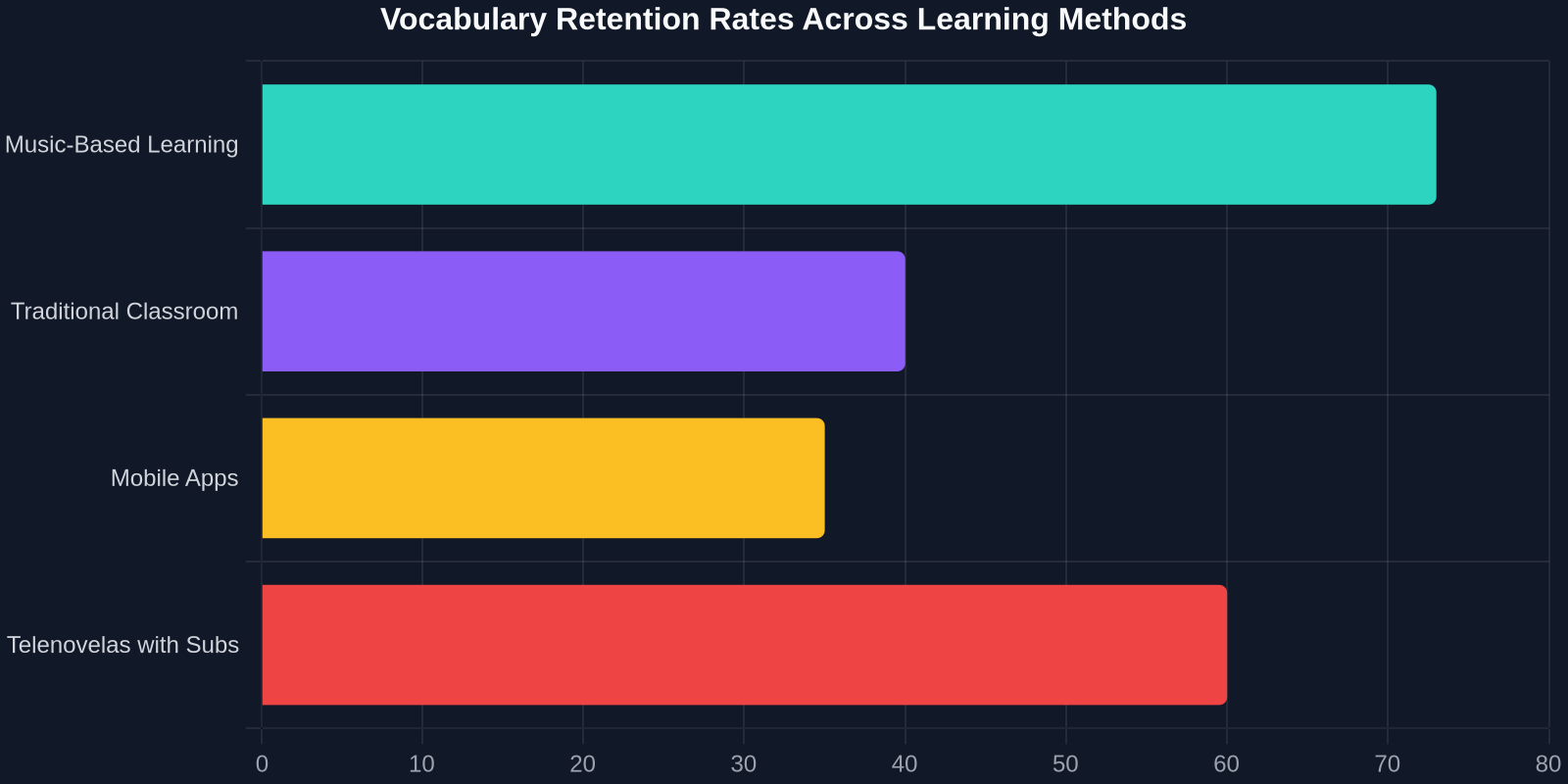
| Learning Method | Vocabulary Retention Rate | Cultural Depth | Emotional Engagement |
|---|---|---|---|
| Chilean Folk Music | 73% | High | Very High |
| Traditional Classroom | 40% | Low | Low |
| Spaced Repetition Apps | 50% | None | None |
| Telenovelas with Subs | 60% | Medium | Medium |
It's clear that while apps and classes have their place, the unique combination of rhythm, emotion, and cultural storytelling in folk music creates a superior learning environment. However, the challenge has always been accessibility, especially for learners who cannot pick out every word or who miss the meaning behind idioms. Modern technology is closing this gap.
How to Transform Any Song into a Spanish Lesson Tonight
You don't need to move to Santiago to benefit from this method. You can convert your YouTube curiosity into a structured Spanish lesson right now. The key is moving from passive hearing to active listening. Here is a proven 15-minute workflow:

- Select Your Track: Choose a song that resonates with you emotionally. "Gracias a la Vida" is a great start. Ensure the version has relatively clear vocals.
- First Pass – The Vibe: Listen without looking at any text. Try to catch the gist. What's the mood? Does anything sound familiar?
- Second Pass – Lyric Diving: Now, bring in the lyrics. Ideally, you want dual subtitles, Spanish on one line and your native language (English) directly below. This is the fastest way to bridge comprehension gaps. Focus on picking out 5-10 key words that seem to carry the song's emotional weight.
- Third Pass – Imitation and Shadowing: Play the song line by line. Pause after each line and repeat it aloud, imitating the singer's accent, pitch, and rhythm. This "shadowing" technique wires the sound directly to your speech motor system.
- Retrieval Practice: Without the music, try to hum the melody and recall the words. Even better, try to sing the first verse from memory the next morning.
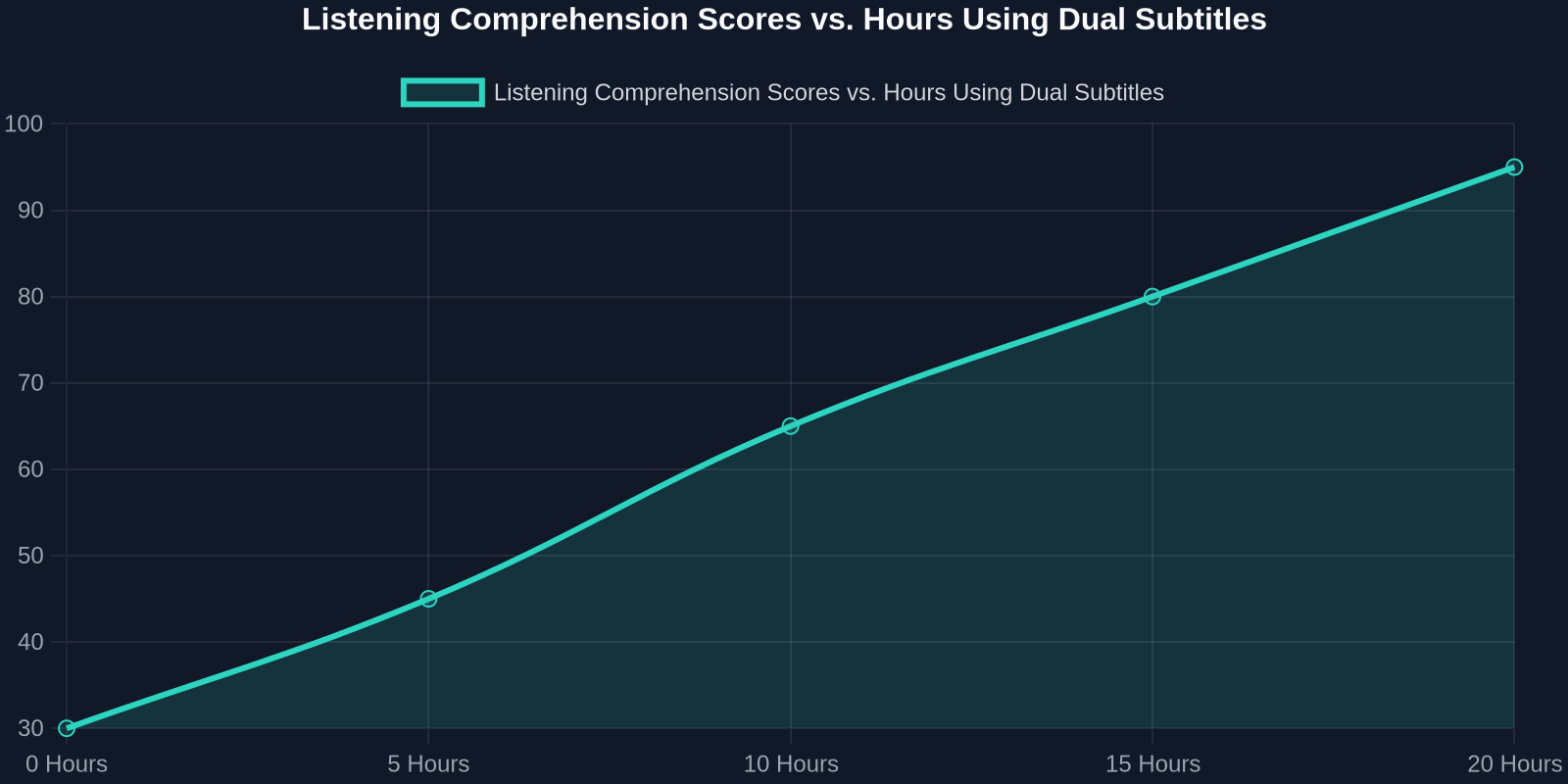
To effectively implement this, you need a tool that supports this loop without constant pausing, Googling, and switching tabs. This is where an education layer over YouTube, like Lyric Lingo, becomes invaluable. Instead of wrestling with video controls, you can click on any word in a dual-subtitle display for an instant definition, save key phrases for later review, and seamlessly repeat difficult sections. It turns the entire process into a smooth, focused interaction, keeping you in the flow of the music rather than yanking you out into a search engine.
Lyric Lingo: From Passive Watching to Active Mastery
For years, language learners have used YouTube as a passive resource. They hit play, read subtitles if they exist, and hope some vocabulary sticks via osmosis. But hope is not a strategy, and YouTube’s default UI is designed for entertainment, not education. Lyric Lingo bridges this gap by transforming any YouTube music video into an interactive classroom.
The platform operates on a revolutionary principle: structured practice around dual subtitles. As the article on Chilean folk music highlighted, the magic happens when you can see the original Spanish seamlessly synchronized with a high-quality English translation. This direct mapping helps your brain form instant associations without the interference of mental translation.
Crucially, Lyric Lingo does not host or redistribute any video or audio content. It serves as a transparent layer that connects to the videos you already watch on YouTube. You can call up your favorite Violeta Parra playlist and immediately engage with the language in a way that promotes deep learning. Features like click-to-define, phrase-looping, and saving vocabulary cards directly from the lyrics convert a 3-minute song into a comprehensive language lab.
“True fluency doesn't come from memorizing rules; it comes from living the language. Through dual subtitles on the music you love, you're no longer a student, you're a participant in a culture.”
By removing the friction of looking up words and manually replaying segments, the tool minimizes cognitive load, allowing you to dedicate all your mental energy to the language itself. It embodies the principle that the best learning happens when you forget you are learning.
Building a Lasting Habit: The 10-Minute Commute Protocol
The ultimate success factor in language learning is consistency, not intensity. A 10-minute daily ritual with a Chilean folk song will compound into remarkable progress faster than a weekly 2-hour grammar binge. Here is a protocol designed for the modern learner with a busy schedule:

- Monday (The Dive): Pick one new song. Watch it with dual subtitles (via Lyric Lingo) and tap on every unknown word. Save the 10 most interesting words to your deck.
- Tuesday (The Drill): Re-watch the song. This time, try to read the Spanish ahead of the singer, anticipating the lyrics before they are sung. Use the looping feature on a tricky phrase five times.
- Wednesday (The Groove): Listen without looking at the Spanish line unless you are lost. Attempt to shadow the artist from memory. It’s okay to mumble.
- Thursday (The Burst): Sing out loud! Emote. Pretend you are on stage. This physical engagement anchors the pronunciation deeply.
- Friday (The Review): Test yourself. Listen to the song without any visuals. Can you hear every word distinctly? Do the phrases echo in your mind with clear meaning?
This protocol avoids the burnout common in language learning. It leverages the spacing effect and interleaves different cognitive tasks (reading, listening, speaking).
By the end of a month following this method with Chilean folk songs, you won't just understand the lyrics of "Gracias a la Vida"; you'll feel them. You’ll have subconsciously absorbed article usage with nouns like "la luz" or "el canto," internalized object pronoun placement through lines like "me ha dado tanto," and gained an intuitive grasp for the cadence of Chilean Spanish. More importantly, you will have connected with a cultural artifact that textbooks often scrub sterile, cleaning away the grit and soul that make a language worth learning in the first place.
Conclusion: Your Playlist is Your Textbook
The journey described in the Glide Magazine article is not a quaint anomaly. It is a repeatable, scientifically supported path to fluency. The classroom, with its dry drills and contrived dialogues, often divorces words from their living context. Music re-marries them. Chilean folk music, with its poetic intensity and historical weight, offers an accelerated curriculum for any student willing to listen deeply.
The tools are at your fingertips. The songs are waiting on YouTube. The missing piece has always been the bridge from passive consumption to active, structured engagement. By adopting the dual-subtitle method and ritualistic practice outlined here, you can transform tonight's listening session into a measurable step toward Spanish fluency.
Stop scrolling for the next "magic app" and start listening. Pick a song. Turn on dual subtitles. Dive into the story. The vocabulary, the grammar, and the soul of the language will follow.