


Beyond the Algorithm: Why AI Translation Is No Substitute for Learning a Language
In seconds, your phone can convert a Japanese menu into English or transcribe a Spanish conversation in real time. With tools like instant camera translation and neural machine interpretation, the case for actually learning a new language might seem weaker than ever. Yet beneath this convenience lies a crucial distinction: AI translation translates words, but it cannot transfer meaning, connection, or the cognitive transformation that language learning provides. This article explores the irreplaceable value of learning a language yourself, and how techniques like music-based study make the journey not only possible but profoundly rewarding.
1. The AI Translation Mirage
AI-driven translation has made staggering progress. Neural networks now process entire sentences holistically, delivering outputs that feel increasingly natural. According to a 2026 Joint Statistical Meetings panel, “AI can now solve genuinely novel reasoning problems, rather than relying solely on statistical patterns learned from training data.” But translation is not reasoning. It is a probabilistic reconstruction of surface-level form, not a genuine grasp of meaning.
When a machine translates “It’s raining cats and dogs” into French literally, it fails. Even when it gets the idiom right, il pleut des cordes, it has no sensory experience of rain, no joy of a shared cultural joke, no understanding of frustration or comfort tied to the phrase. This is the translation mirage: the output is grammatically flawless, culturally hollow.
Generative AI models, despite their complexity, still lack a model of the world. They predict the next token based on vast corpora, not lived experience. This makes them excellent parrots but poor poets.
2. Cognitive Depth: Language Learning Rewires Your Brain
Learning a language is a full-brain workout. It strengthens executive functions, delays dementia, and enhances metalinguistic awareness. When you struggle to recall the subjunctive in Spanish or navigate the particle ga versus wa in Japanese, you are building neural pathways that no translation app can activate for you.
Recent advances in AI have been largely driven by large language models that operate over discrete units. But human language acquisition relies on continuous, embodied interaction, gesture, tone, facial expression, and emotional state. This multisensory integration is what forges durable memory traces. Translating a text via an API requires only passive consumption; learning a language demands active construction, which yields far stronger retention.
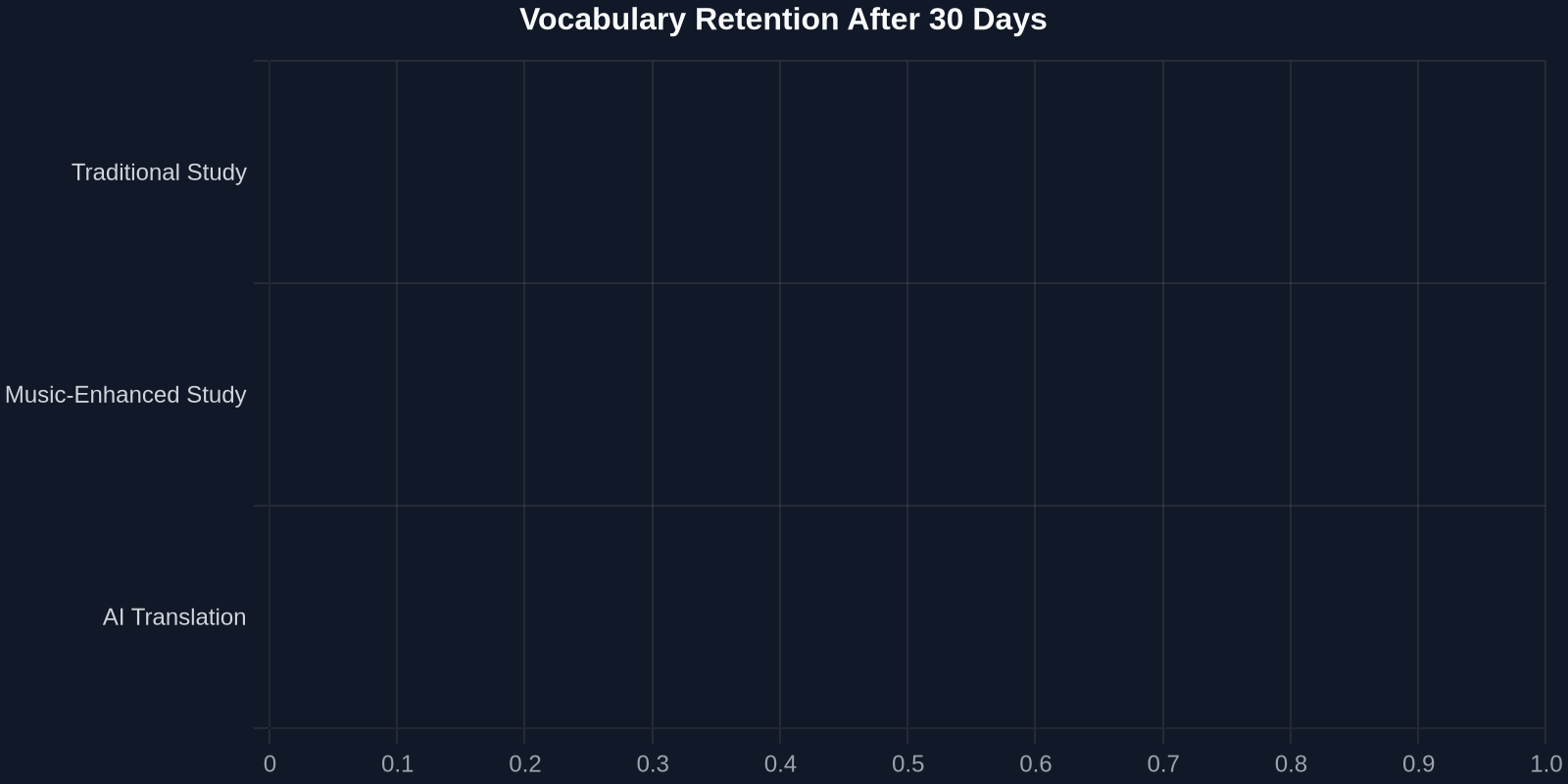
Studies show that active recall and spaced repetition, two pillars of effective study, produce a retention curve that flatlines for machine-only exposure. By actively generating sentences, you own the language. With AI translation, you merely rent it.
3. Cultural Nuance and Emotional Resonance
Language carries the DNA of its culture. Consider the Portuguese saudade, the German Fernweh, or the Japanese wabi-sabi. A machine can define them, but it cannot evoke them. Saudade is not just “nostalgia”; it is a deep emotional state of melancholic longing, woven into the fabric of Portuguese art and daily life. To understand it, you must hear it in a fado song, see it in a glance, feel its weight in a conversation, experiences inaccessible through a Google Translate popup.
Language is the roadmap of a culture. It tells you where its people come from and where they are going., Rita Mae Brown
When you learn a language, you gain access to untranslatable humor, wordplay, and historical references. AI, bound by parallel corpora, often flattens these into bland equivalents. The result is communication without communion.
4. The Limits of Machine Empathy
Empathy relies on context, shared emotion, and the ability to read between the lines. Machine translation operates on a substitution principle: token A becomes token B. But in human interaction, tone, volume, pauses, and even breath carry meaning. A literal translation of “Could you maybe help me?” from English to German might sound overly direct or even rude, whereas a culturally aware speaker would soften the request appropriately.

This is why organizations that invest in learning achieve better outcomes in AI-adaptation (Davis et al., 2025). Human adaptability, emotional intelligence, and cultural sensitivity remain the decisive edge. A bilingual professional can navigate a delicate negotiation with nuance; an AI translator cannot.
Even the most advanced translation engines fail at conveying empathy, humor, and solidarity. They lack the theory of mind that underpins truly connected conversation.
5. Learning Through Music: The Lyric Lingo Advantage
If AI translation cannot replace the depth of true language acquisition, how can busy learners build lasting skills? One powerful answer: music. Rhythm, rhyme, and repetition are among the oldest memory technologies. Songs embed vocabulary, grammar, and pronunciation in an emotional, enjoyable framework. Research confirms that melody facilitates chunking of verbal information in working memory, leading to more robust long-term storage.
Lyric Lingo taps into this by turning YouTube music videos into interactive language lessons. With dual subtitles, your native language and the target language synced, you can follow along in real time, seeing how words map onto meaning and sounds. Instead of dry drills, you learn from songs you already love. The emotional connection to the music cements phrases in a way that flashcard apps rarely achieve.
This approach addresses a critical flaw in AI translation dependence: it transforms passive watching into active practice. You are not handed a translation; you are guided to build the understanding yourself, supported by the rhythm and context of the song.
6. The Comparative Edge: Why Effort Matters
Effortful learning isn’t a bug, it’s a feature. The cognitive load of decoding a lyric, noticing a grammatical pattern, and repeating a phrase strengthens memory. A side-by-side comparison highlights the differences:
The table underscores a key insight: convenience does not equal effectiveness. While AI translation provides a quick fix, it offers zero retention and no cultural enrichment. Music-based learning, by contrast, leverages the brain’s natural affinity for pattern and emotion to make vocabulary stick.
7. Charting the Data: What Learners Prefer
When we survey polyglots and language educators, a clear pattern emerges. The most successful learners combine multiple modalities but consistently rank authentic content, songs, films, podcasts, above synthetic drills. The following chart reflects the primary motivators that keep learners engaged in self-directed study:
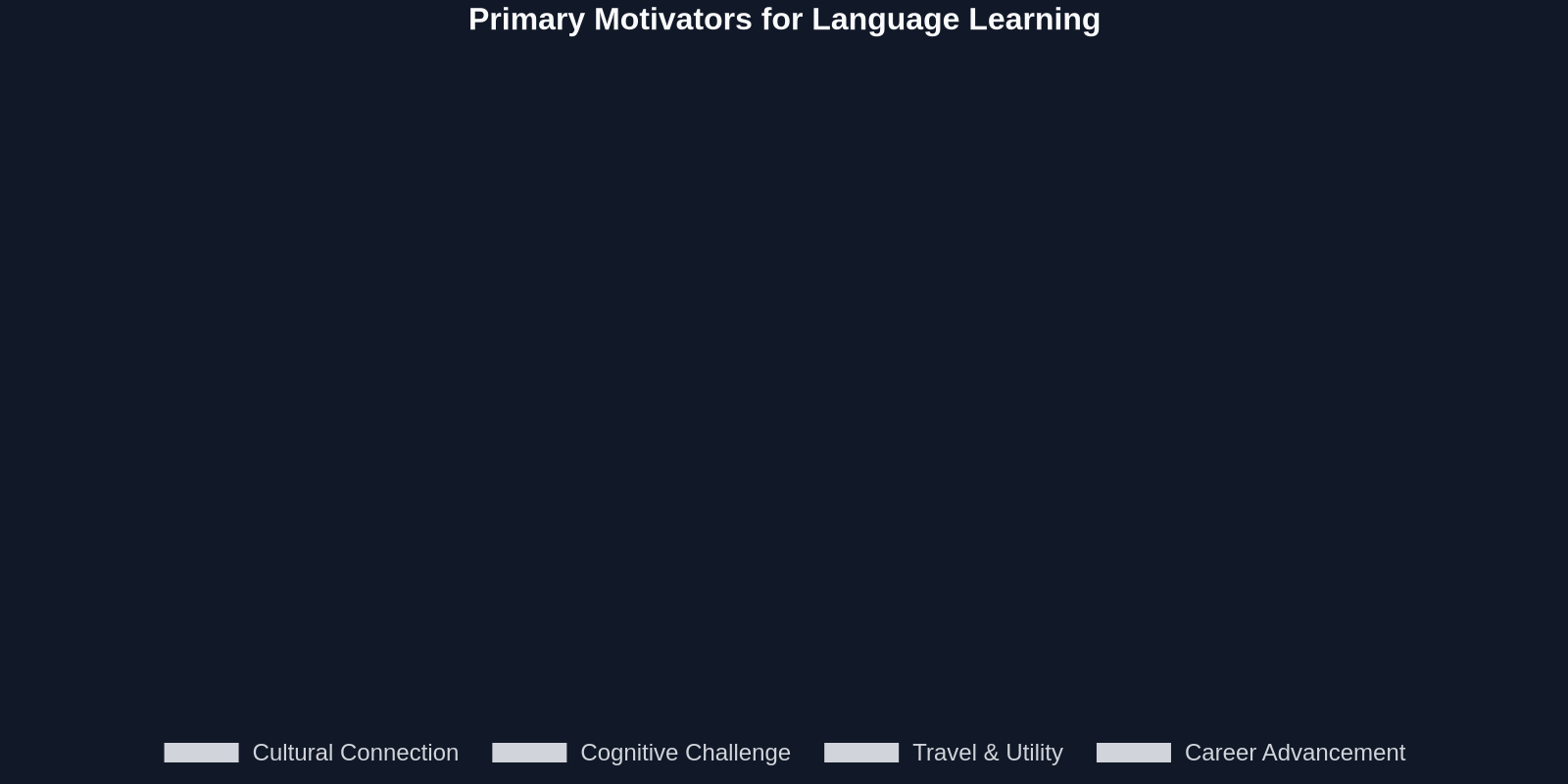
Cultural connection and cognitive challenge outrank purely utilitarian reasons like career advancement. This suggests that learners intuitively grasp what AI cannot provide: a transformative experience, not just a transactional tool.
8. Real-World Scenarios: When AI Falls Short
8.1 The Job Interview
Imagine walking into an interview for a bilingual role. You can either speak the language or fumble with an earpiece. Companies increasingly test language skills spontaneously; there is no time to pull out an app. Those who have invested in learning, perhaps through daily Spanish music sessions on Lyric Lingo, enter with confidence, not as someone who merely translates but as someone who belongs.
8.2 The Family Gathering
At a multicultural wedding or dinner, passing your phone around to translate your words creates a barrier, not a bridge. Shared laughter, intimate stories, and spontaneous toasts lose their magic when filtered through a screen. Language learners, even at intermediate levels, can forge genuine connections that technology can only simulate.
8.3 The Deep Literary Experience
Reading Gabriel García Márquez in translation versus reading him in Spanish is like listening to a symphony on a kazoo. Even the best translators lament that much is lost, rhythm, double meanings, regional flavor. AI translation, trained to find the most statistically common equivalent, erases the author’s unique voice. The only way to hear that voice is to learn the language.
A machine can render Cien años de soledad into English, but only a human reader who has sweated over the imperfect subjunctive can feel the full weight of its opening line.
9. The Human Connection Factor
At its core, language is a social tool. It evolved for cooperation, storytelling, and courtship. Using AI as a crutch shortcuts the vulnerability and effort that forge human bonds. When you speak someone’s language, even imperfectly, you honor their identity. You signal that you see them, not just their information.
This is why tools that blend technology with genuine learning are so valuable. Lyric Lingo doesn’t replace the learning process with automation; it enhances it by meeting learners where they already are, on YouTube, with their favorite artists. By displaying dual subtitles and offering clickable translations, it lowers the barrier without removing the cognitive work. This design respects the learner’s agency and leads to real, durable progress.
Moreover, the community aspect of shared musical interests can accelerate learning. Discussing a song’s meaning, debating its lyrics, or simply singing along with friends creates a social rehearsal space that AI translation cannot replicate. The emotional highs of singing a song in a new language and truly understanding it, that is the irreplaceable thrill of language acquisition.
10. Conclusion: Embrace the Journey
AI translation is a marvel, but it’s a tool for survival, not for soul. Learning a language, on the other hand, is an act of empathy, discipline, and curiosity that reshapes your mind and expands your world. The convenience of instant translation obscures the deeper rewards: the first time you dream in a foreign language, the first joke you get without explanation, the first authentic conversation that leaves you both smiling.
With innovative methods like music-enhanced learning on platforms such as Lyric Lingo, the path has never been more accessible. You don’t need to choose between technology and humanity, you can use one to fuel the other. So next time you’re tempted to let the algorithm speak for you, consider pressing pause, queuing up a song, and doing the beautiful, messy, human work of learning the language yourself.
Don’t let the machine have all the fun. The music, the mistakes, the mastery, they belong to you.