


ABD Okulları Dil Derslerinde Artan Talebe Karşı Karşıya — Buna Yetişebilecekler mi?
Büyüyen Uçurum: Dil Talebi ve Okul Arzı Arasındaki Fark
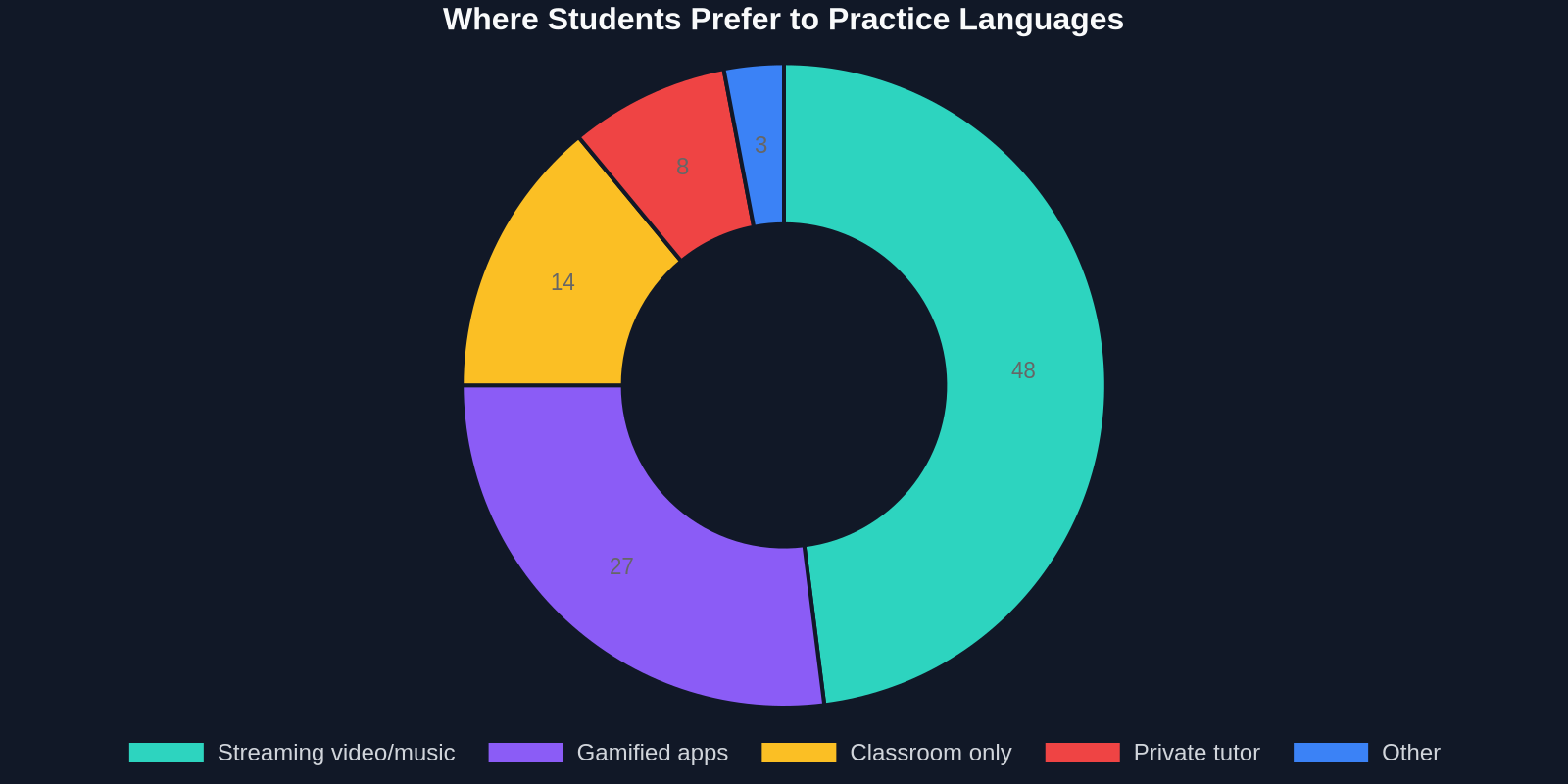
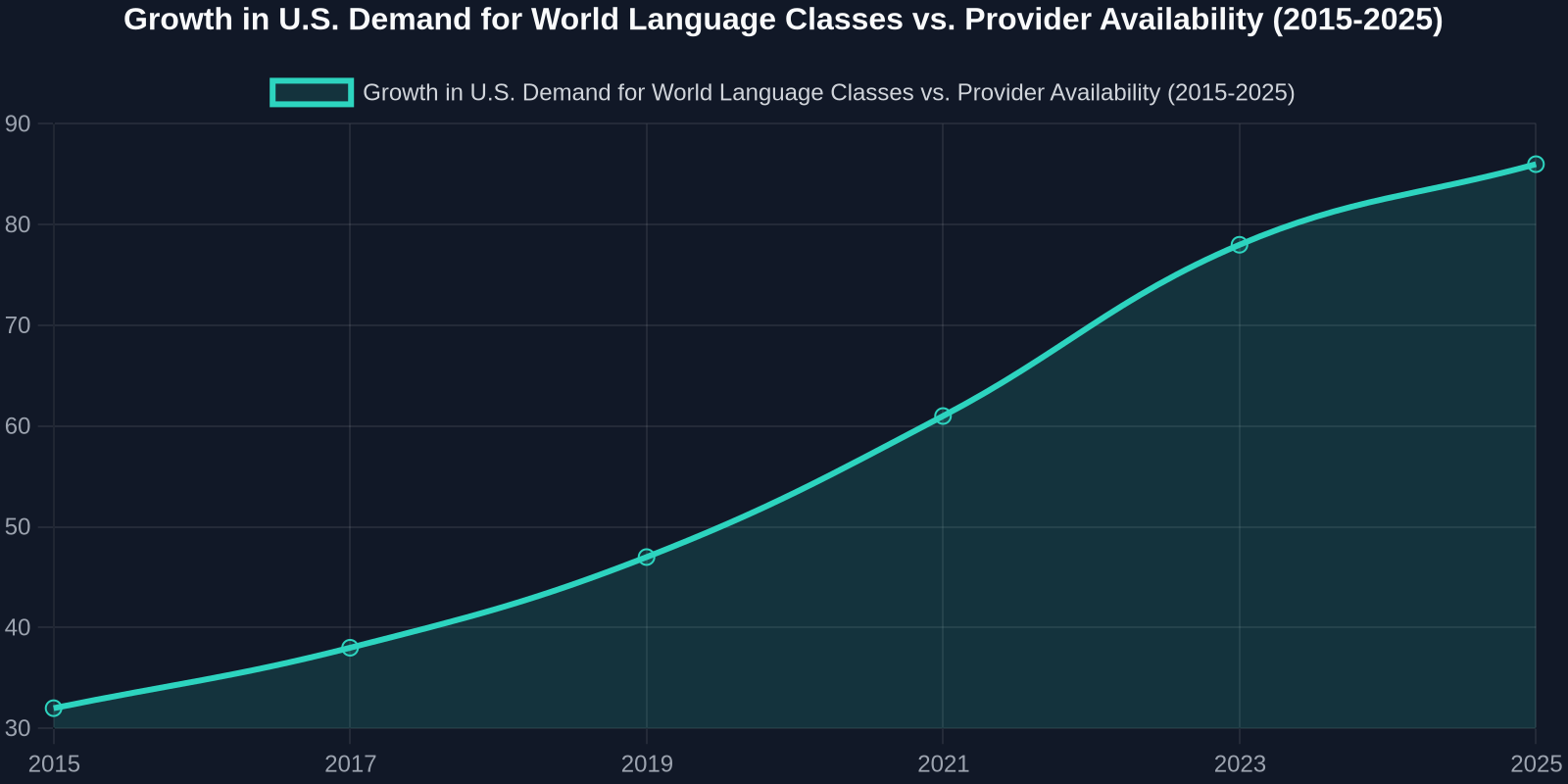
EdWeek Araştırma Merkezi'nin son anketi çarpıcı bir paradoksu ortaya koyuyor: Amerikalıların %86'sı K-12 okullarının daha fazla yabancı dil eğitimi vermesi gerektiğine inanırken, devlet ilkokullarının yalnızca %20'si İngilizce dışında herhangi bir dil programı sunuyor. İşverenler çok dilli yeteneklere can atarken ve kültürel yeterlilikler her zamankinden daha hayati hale gelmişken, kamuoyunun talebi ile sınıf gerçeği arasındaki uçurum hiç bu kadar geniş olmamıştı.
Ülke genelinde, bir mıknatıs okulunun broşürü gururla şunu ilan ediyor: "Seçmeli programımız, şehirdeki en büyük Görsel ve Sahne Sanatları Bölümüne ve sekiz dilden oluşan bir Dünya Dili Bölümüne sahiptir." Bu tür bir imkan nadir bir mücevher olarak kalıyor. Çoğu bölge için bu özlem, üç zorlu engelle karşılaşıyor: kronik öğretmen eksikliği, rekabet eden müfredat öncelikleri ve yetersiz finansman. Bu arada gençler, her gün hedef dillerde müzik dinliyor ve video izliyor, ancak çoğu zaman bunu öğrenmeye dönüştürecek bir yapıdan yoksunlar.
Müzik ve Video Neden Okulların Gözden Kaçırdığı Sınıf Çarpanlarıdır?
Amerikan Müzik Terapisi Derneği ve bilişsel bilimden gelen araştırmalar basit bir gerçeğe işaret ediyor: Ritim, melodi ve duygusal bağlam, hafızayı güçlendirir. Bir öğrenci, çift dilli altyazılı bir müzik videosu izlediğinde, birden fazla duyu devreye girer; otantik telaffuzu duyar, metni her iki dilde görür ve şarkının duygusal çekimini hisseder. Sonuç, kelime dağarcığını uzun süreli hafızaya derinlemesine yerleştiren sinirsel bir kokteyldir.

Bir üniversite hazırlık programındaki lise öğrencileri bunu açıkça ifade ediyor: "Misyonumuz, öğrencilerimize proje tabanlı bir üniversite hazırlık eğitimi sağlayarak 21. yüzyılda başarılı bir şekilde rekabet etmeleri için ilham vermektir..." ve çoğu zaman dili bu denklemin dışında bırakırlar. Oysa küresel yeterlilik için gereken beceriler, tam olarak müzikle desteklenmiş, proje tabanlı dil öğreniminin geliştirdiği şeylerdir: dinleme ayırt etme, kültürel analiz ve otantik iletişim.
Gizli Motor: Öğrenciler Kültür Yoluyla Nasıl Öğreniyor?
Gençler saatlerce yabancı dilde medya tüketiyor. All American gibi popüler diziler ve benzer uluslararası programlar geniş kitleleri çekiyor ve öğrencileri otantik konuşmaya maruz bırakıyor. Ancak yapılandırılmış bir destek olmadan, bu maruz kalma yalnızca tesadüfi kazanımlar sağlıyor. Bunu, Lyric Lingo'nun temel mekaniği olan çift dilli altyazılar ve kasıtlı tekrarlarla eşleştirmek, pasif izlemeyi bilinçli bir pratiğe dönüştürüyor.
Öğretmen Eksikliği Gerçeği
ABD Eğitim Bakanlığı, 44 eyaletin artık sertifikalı dünya dili eğitmeni sıkıntısıyla karşı karşıya olduğunu bildiriyor. Bu geçici bir düşüş değil; yaratıcı geçici çözümler gerektirecek yapısal bir açık. Teknoloji, yetenekli öğretmenlerin yerini tutamaz, ancak bir güç çarpanı olabilir, yapılandırılmış bağımsız pratik yoluyla erişimlerini genişletebilir.
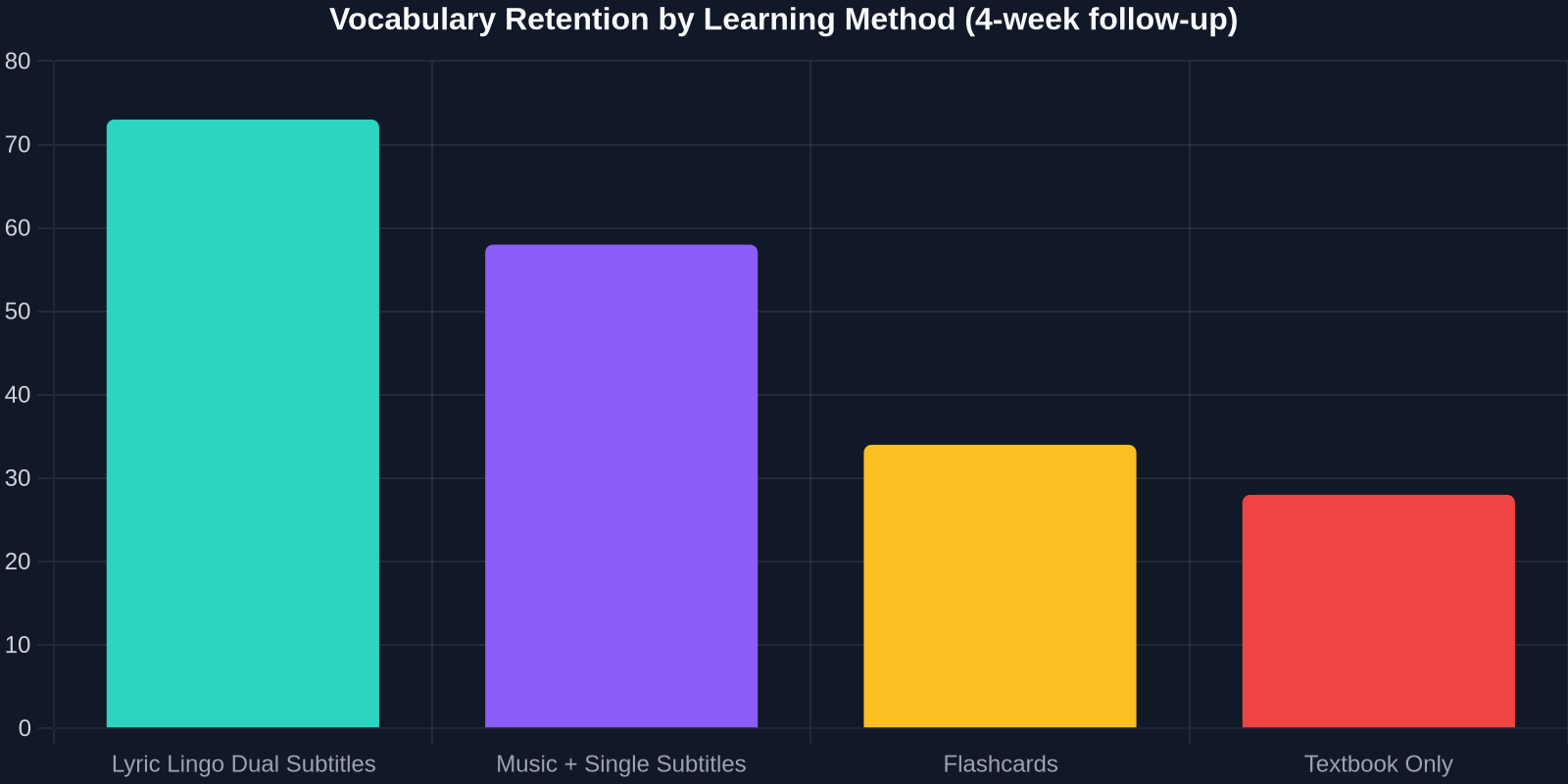
| Practice Method | Vocab Retention at 4 Weeks | Weekly Time Investment | Student Engagement Score |
|---|---|---|---|
| Traditional Flashcards | 34% | 2.5 hours | 3.2/10 |
| Music with Single Subtitles | 58% | 1.5 hours | 7.8/10 |
| Music with Dual Subtitles (Lyric Lingo) | 73% | 1 hour | 9.1/10 |
| Textbook Exercises | 28% | 3 hours | 2.5/10 |
YZ, Akıl Yürütme ve Yeni Dil Öğrenme Yığını
YZ sistemleri, dil, akıl yürütme, duyusal-motor veya sosyal etkileşim alanları gibi çeşitli yetenek alanlarındaki görevleri nasıl yerine getirir? Büyük dil modellerini güçlü kılan aynı atılımlar, öğrencilere de hizmet edebilir: uyarlanabilir hız, akıllı hata düzeltme ve bağlama duyarlı tekrar. Lyric Lingo, bu yetenekleri YouTube'un içerik okyanusuna katmanlayarak öğrencilerin seviyelerine uygun videoları seçmelerine ve ilerlemelerini takip etmelerine yardımcı olur.
Bir Kanıt Portföyü Oluşturmak
Çift altyazı araçlarını kullanan öğrenciler, ilerlemelerini okul hesap verebilirlik gereksinimlerini karşılayacak şekilde belgeleyebilirler. Halihazırda dünya dili kredisi gerektiren 11 eyalet gibi yeni dil zorunluluklarını araştıran eyaletler için bu tür portföyler, politika yapıcıların talep ettiği yeterlilik kanıtını sağlar.
Okullar İçin Pratik Adımlar (Bu Gece)
- MEVCUT MEDYA MARUZİYETİNİ DENETLEYİN, Öğrencilere hangi İspanyolca, Fransızca veya Japonca şarkı ve dizileri takip ettiklerini belirlemek için anket yapın. Bunları müfredata köprü olarak kullanın.
- PASİF SAATİ TERSİNE ÇEVİRİN, Haftalık ödevin en az 45 dakikasını çift altyazılı yapılandırılmış medya etkileşimine ayırın. Öğrenciler bunu "ders çalışma" değil, "kültürel keşif" olarak tanımlıyor.
- MEVCUT ALTYAPIYI KULLANIN, Lyric Lingo doğrudan YouTube üzerinde çalıştığı için okulların yeni donanıma veya video lisansına ihtiyacı yoktur. Bir Chromebook ve kulaklık yeterlidir.
- ÖNEMLİ OLANI ÖLÇÜN, Sadece fiil çekim tablolarını değil, şarkı sözleri ve diyaloglar üzerine haftalık düşük riskli sınavlarla anlama gelişimini ve kelime kazanımlarını takip edin.
Eşitlik Zorunluluğu
Dil dersleri yalnızca varlıklı bölgelerde seçmeli olduğunda, fırsat eşitsizliği artar. Sekiz dilli bölümlere sahip okullar istisnadır. Toplulukların büyük çoğunluğu için, YouTube, müzik, akıllı telefonlar gibi evrensel kaynaklardan yararlanan araçlar, dil öğrenimini demokratikleştirmenin bir yolunu sunar.
Misyonla Bağlantı Kurmak
"Öğrencilerimize 21. yüzyılda başarılı bir şekilde rekabet etmeleri için ilham vermek" gibi her okulun misyon beyanı, somut dil yolları olmadan içi boş kalır. Küresel olarak yetkin mezunlar hazırlamak bir zenginleştirme bonusu değildir; ekonomik hareketlilik ve sivil katılım için temeldir.
Hayal Kırıklığından Akıcılığa: Uygulanabilir Bir Gelecek
EdWeek anketi şunu açıkça ortaya koyuyor: Amerikalılar daha fazla dil dersi istiyor. Okullar ideal bir finansman ortamını veya sihirli bir sertifikalı öğretmen akışını bekleyemez. Lyric Lingo, öğrencilerin zaten sevdiği platformlarda çift altyazılı pratiği entegre ederek, pasif saatleri zengin, kalıcı dil edinimine dönüştürerek boşluğu kapatıyor. Şarkılar çalıyor. Videolar akıyor. Eksik olan parça ise yapı iskelesi.
Bu yapı iskelesi burada. Bu gece, bir öğrenci Lyric Lingo'yu açabilir, Bad Bunny veya Stromae ya da BLACKPINK'ten bir şarkı yükleyebilir ve hem kulaklarıyla hem de gözleriyle kelime dağarcığını yakalamaya başlayabilir. Arzın talebe yetişmesi işte böyle başlar, her bir dizeyle.
Not: Lyric Lingo, video veya ses içeriğini barındırmaz veya yeniden dağıtmaz; halka açık YouTube videoları üzerinde çalışan eğitimsel bir katmandır.