


Come la musica supporta l'acquisizione del linguaggio: Una guida per apprendenti multilingue

In un'aula vivace appena fuori Houston, un insegnante di scuola media mette un brano reggaeton durante una lezione di vocabolario. Studenti che una volta inciampavano sulle preposizioni inglesi ora cantano con sicurezza, i loro accenti si addolciscono a ogni ritornello. Questa scena non è solo aneddotica: è supportata da un crescente corpo di ricerche recentemente messo in luce in un articolo approfondito su K12 Dive: la musica è un motore potente per l'acquisizione linguistica, specialmente per gli studenti multilingue.
Per decenni, gli educatori hanno osservato che le canzoni si fissano nel cervello in modi che i dialoghi dei libri di testo non fanno mai. Ora, la scienza cognitiva sta recuperando terreno, spiegando perché ritmo, melodia e coinvolgimento emotivo possono trasformare un ascoltatore passivo in uno studente di lingue attivo. Da Lyric Lingo, abbiamo costruito l'intera piattaforma attorno a questa intuizione, offrendo doppi sottotitoli su YouTube così che gli studenti possano trasformare la musica che amano in sessioni di studio strutturate ed efficaci.
In questo post, analizzeremo la scienza alla base della musica e dell'apprendimento linguistico, esploreremo tecniche pratiche che puoi usare stasera stessa e mostreremo come la tecnologia stia rendendo questo approccio più accessibile che mai. Che tu sia un insegnante in cerca di materiali freschi o un poliglotta autodidatta che insegue la fluidità, uscirai con una tabella di marcia per sfruttare il potere delle canzoni.
La Scienza Cognitiva della Musica e del Linguaggio
Quando ascolti una melodia orecchiabile, il tuo cervello non la consuma passivamente. Studi di neuroimmagine mostrano che la musica attiva una vasta rete di regioni, tra cui la corteccia uditiva, le aree motorie e il sistema limbico, molte delle quali si sovrappongono alle reti utilizzate per l'elaborazione del linguaggio. Questa sovrapposizione è il segreto.
La Codifica della Memoria Riceve una Spinta
I nostri cervelli sono programmati per ricordare schemi, e la musica è ricca di schemi: ritmo, rima e contorno melodico creano una struttura prevedibile. Questa struttura funge da impalcatura per il nuovo vocabolario. Quando impari una parola inserita in una canzone, non stai solo memorizzando un suono; la stai associando a un battito, a un'emozione e a un contesto. Quella codifica multimodale rafforza il richiamo.
Uno studio fondamentale dell'Università di Edimburgo ha scoperto che i partecipanti che hanno imparato frasi in una lingua straniera cantando erano in grado di ricordarle con una precisione significativamente maggiore dopo un intervallo rispetto a quelli che le avevano imparate solo attraverso la ripetizione parlata. Il ritmo sembra fornire una struttura temporale che aiuta il cervello a concatenare le sillabe in blocchi coerenti, un fenomeno noto come "chunking", che è critico per la memoria di lavoro.
Pronuncia e Prosodia
La lingua non è solo parole; è ritmo, accento e intonazione. L'inglese, ad esempio, è una lingua a ritmo accentato, il che significa che le sillabe accentate si verificano a intervalli approssimativamente regolari. La musica, con il suo battito intrinseco, allena naturalmente l'orecchio a rilevare questi schemi. Quando canti, sei costretto a corrispondere al tempismo e all'altezza del cantante, il che migliora inconsciamente il tuo accento e la tua prosodia.
Coinvolgimento Emotivo e il Filtro Affettivo
L'ipotesi del Filtro Affettivo di Stephen Krashen postula che ansia, bassa motivazione e autocoscienza possono bloccare l'acquisizione linguistica. La musica abbassa questo filtro. Una melodia familiare o un genere che ami crea un ambiente sicuro e piacevole. Non ti preoccupi di fare errori; canti e basta. Questa connessione emotiva rilascia dopamina, che migliora il consolidamento della memoria. È un vantaggio neurochimico su tutti i fronti.
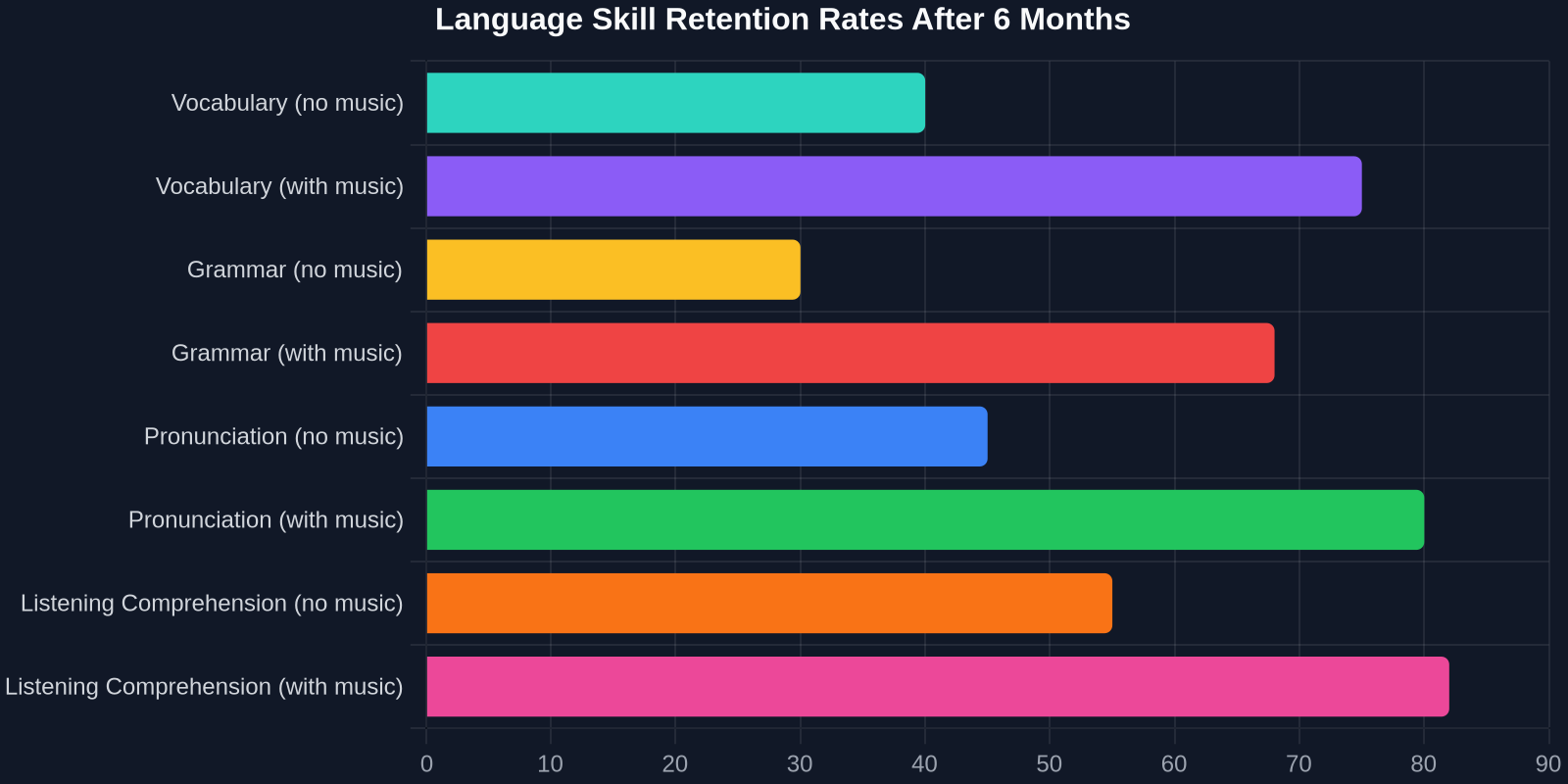
Cosa Rivela l'Articolo di K12 Dive sugli Studenti Multilingue
Il recente pezzo di K12 Dive, "How Music Supports Language Acquisition for Multilingual Learners", mette in luce diverse strategie pratiche che gli educatori stanno già usando in classi diverse. Sottolinea che la musica non è solo una divertente distrazione, ma un legittimo strumento didattico per costruire consapevolezza fonemica, vocabolario e competenza culturale.
Un punto chiave è l'uso della musica per collegare le lingue d'origine e l'inglese. Gli insegnanti nei programmi bilingue incorporano canzoni provenienti dai background culturali dei loro studenti, il che convalida la loro identità e fornisce un ponte verso la nuova lingua. Questo si allinea con la pedagogia del translanguaging, dove gli studenti usano tutte le loro risorse linguistiche per creare significato.
Un'altra strategia evidenziata è l'uso di playlist accuratamente curate che mirano a specifiche abilità linguistiche. Ad esempio, una canzone con un ritornello ripetitivo come "I Will Survive" può insegnare le strutture condizionali, mentre una canzone rap può esporre gli studenti al linguaggio colloquiale e a schemi di rima complessi. L'articolo nota anche il valore di far scrivere agli studenti i propri testi, il che li costringe a manipolare sintassi e vocabolario in modo creativo.
Queste intuizioni si allineano perfettamente con la missione di Lyric Lingo: forniamo l'infrastruttura per trasformare qualsiasi video di YouTube in un'esperienza di apprendimento con doppi sottotitoli, così che insegnanti e studenti possano facilmente implementare queste strategie supportate dalla ricerca.
Perché i Metodi Tradizionali Sono Insufficienti
Diciamocelo: le flashcard sono noiose. I libri di testo sono spesso artificiosi e scollegati dall'uso reale. E mentre le app linguistiche hanno gamificato il processo, raramente forniscono la profondità di input autentico necessaria per una vera fluidità.
| Method | Retention | Cultural Authenticity | Engagement | Pronunciation Practice |
|---|---|---|---|---|
| Flashcards | Medium | Low | Low | None |
| Textbook Dialogues | Low-Medium | Medium | Low | Limited |
| Language Apps | Medium | Low | Medium | Often robotic |
| Music (with dual subtitles) | High | High | Very High | Natural and immersive |
I metodi tradizionali spesso isolano la lingua dal suo contesto culturale ed emotivo. La musica, d'altra parte, fornisce la lingua nel suo habitat naturale: piena di idiomi, slang ed espressioni colloquiali. Espone anche gli studenti a diversi accenti, dialetti regionali e velocità di eloquio, tutti elementi critici per la comprensione orale nel mondo reale.
Tecniche Pratiche: Come Trasformare Qualsiasi Canzone in una Sessione di Apprendimento
Pronto a lasciare i noiosi esercizi? Ecco come puoi iniziare a usare la musica per imparare una lingua stasera stessa, usando Lyric Lingo come tuo strumento.

1. Scegli la Canzone Giusta
Non tutte le canzoni sono uguali per l'apprendimento. Per i principianti, cerca brani con una melodia chiara e lenta e testi ripetitivi. Pensa a "La Bamba" per lo spagnolo o "Frère Jacques" per il francese. Per studenti intermedi, le canzoni pop con elementi narrativi funzionano bene, come il primo rock spagnolo di Shakira o l'electro-rap francese di Stromae. Gli studenti avanzati possono immergersi nell'hip-hop veloce o in materiale di cantautori ricco di giochi di parole.
2. Usa i Doppi Sottotitoli in Modo Strategico
Su Lyric Lingo, mostriamo sia i sottotitoli nella lingua target che nella tua lingua madre, sincronizzati con il video. Ecco un processo in quattro passaggi:
- Primo ascolto: Guarda il video con entrambi i sottotitoli visibili, ma cerca solo di assorbire il ritmo e gli indizi visivi. Non preoccuparti di capire ogni parola.
- Secondo ascolto: Concentrati sulla lettura del sottotitolo nella lingua target, dando un'occhiata alla traduzione nella lingua madre solo quando sei bloccato. Prova a cantare.
- Terzo ascolto: Nascondi la traduzione nella lingua madre, se possibile, e sfidati a seguire solo la lingua target. Prendi nota di parole o frasi che ancora non riconosci.
- Ripasso: Dopo la canzone, annota 5-10 nuove parole o costruzioni. Usa la nostra funzione integrata di lista di vocabolario per salvarle per un ripasso successivo.
3. Shadowing e Karaoke
Lo shadowing è una tecnica in cui parli o canti simultaneamente con l'audio, imitando il più fedelmente possibile l'intonazione e il ritmo del parlante. Le versioni karaoke delle canzoni (spesso disponibili su YouTube) ti costringono a produrre i testi senza l'aiuto della traccia vocale originale. Questo aumenta la sicurezza e la fluidità. Con Lyric Lingo, puoi attivare/disattivare l'audio originale o silenziare il video per praticare la tua voce.
4. Decostruisci il Testo
Dopo aver familiarizzato con la canzone, dai un'occhiata più attenta al testo. Identifica i modelli grammaticali: c'è molto congiuntivo? Condizionale? Nota come vengono usati i pronomi. Confronta la traduzione letterale con la versione inglese più poetica, è qui che scoprirai modi di dire e sfumature culturali.
Ad esempio, nella famosa canzone francese “Papaoutai” di Stromae, il titolo è un gioco di parole su “Papa, où t’es?” (Papà, dove sei?). La contrazione colloquiale e il peso emotivo della domanda si perdono in una semplice ricerca sul dizionario. Ma quando vivi la canzone, interiorizzi la frase a un livello più profondo.
Esempi Reali: Canzoni che Insegnano
Diamo un'occhiata ad alcuni esempi concreti in diverse lingue popolari.
Spagnolo: “La Camisa Negra” di Juanes
Questo classico è una miniera d'oro per gli studenti. Il titolo stesso è un semplice sintagma nominale (“la camicia nera”), ma la canzone è piena di vocabolario accessibile sull'amore e la perdita. Il ritornello ripete “tengo la camisa negra” (ho la camicia nera), rafforzando il verbo “tener” e l'accordo nome-aggettivo. La canzone usa anche la forma informale “vos” in alcuni versi, esponendo gli studenti a variazioni regionali.
Francese: “Je veux” di Zaz
L'inno allegro di Zaz è perfetto per studenti di livello A2-B1. Ripete la struttura “Je veux” (voglio) seguita da un elenco di nomi concreti e concetti astratti. Questa ripetizione esercita il verbo modale e introduce un'ampia gamma di vocaboli. Il video musicale è ricco di immagini parigine, fornendo contesto culturale.
Inglese: “Yellow” dei Coldplay
Per gli studenti di inglese, questa canzone lenta e melodica è ricca di verbi al passato semplice e metafore. Il testo “I drew a line, I drew a line for you” fornisce un chiaro esempio del passato di “draw”. Il tono emotivo della canzone aiuta gli studenti a connettersi con il significato, rendendo la lingua memorabile.
“La musica è un linguaggio e cerco di parlarlo sempre per rimanere nel gioco della musica. L'arte è di solito una complicazione di idee, motivi e cose intorno a te.” – Un promemoria che interiorizzare gli schemi linguistici della musica richiede un impegno costante e giocoso.
Il Ruolo della Tecnologia: L'Approccio di Lyric Lingo
Mentre l'articolo di K12 Dive si concentra sulle strategie in classe, gli stessi principi si applicano all'apprendimento autonomo, ed è qui che la tecnologia colma il divario. Lyric Lingo è un livello educativo che si inserisce sopra YouTube, fornendo doppi sottotitoli sincronizzati e una serie di funzionalità interattive progettate per trasformare la visione passiva in apprendimento attivo.

Caratteristiche chiave che si allineano con la ricerca:
- Doppi sottotitoli: Passaggio con un clic tra lingua target e traduzione madrelingua, con la possibilità di nascondere l'uno o l'altro. Questo supporta l'ipotesi del “noticing”, gli studenti devono notare consapevolmente il divario tra la loro lingua attuale e la forma target.
- Controllo della velocità: Rallenta senza distorsione dell'intonazione, ideale per l'ascolto intensivo.
- Looping: Ripeti una frase o un verso difficile finché non rimane impresso.
- Salvataggio integrato del vocabolario: Tocca una parola per salvarla nella tua lista personale, completa di contesto e un'istantanea del fotogramma video. Questo rafforza la memoria attraverso la codifica multimodale.
Non ospitiamo né ridistribuiamo mai contenuti video o audio; miglioriamo semplicemente l'esperienza YouTube esistente con un livello di apprendimento. Questo significa che puoi usare qualsiasi canzone, qualsiasi artista, qualsiasi genere, la musica del mondo è il tuo libro di testo.
Superare gli Ostacoli Comuni
Gli scettici potrebbero sostenere che i testi delle canzoni sono troppo poetici o grammaticalmente distorti per essere utili. È una preoccupazione valida, ma la soluzione è la cura. Non tutte le canzoni sono una lezione di grammatica, ma molte lo sono. E anche quelle con licenza creativa ti insegnano la flessibilità della lingua, un'abilità cruciale per una fluidità avanzata.
Un'altra preoccupazione è che gli studenti possano semplicemente memorizzare i suoni senza capire. Ma quando combini doppi sottotitoli con una decostruzione attiva, il significato diventa chiaro. La chiave è trattare le canzoni come input comprensibile, non solo come rumore di fondo.
Il Futuro dell'Apprendimento Linguistico è Ritmico
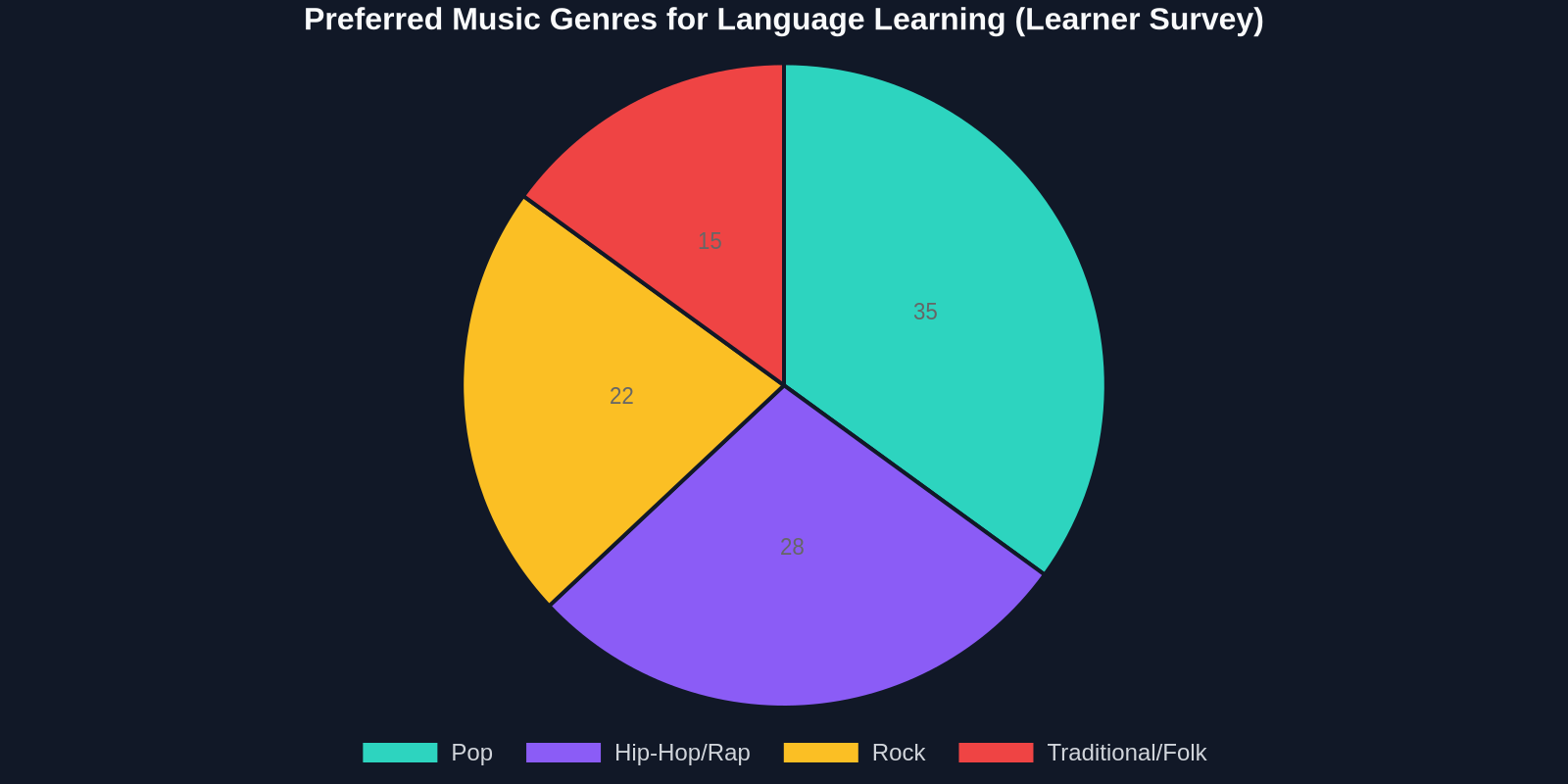
Come mostrano i dati del sondaggio, gli studenti stanno già gravitando verso la musica come strumento di apprendimento principale, con il pop e l'hip-hop in testa. L'articolo di K12 Dive sottolinea che questa non è una tendenza, è un ritorno alla forma più naturale di acquisizione linguistica. Gli umani cantavano prima di scrivere. I nostri cervelli sono letteralmente cablati per questo.
Per gli studenti multilingue, la musica offre un percorso a basso rischio e alta ricompensa verso la competenza. Riduce il filtro affettivo, sviluppa la consapevolezza fonemica e cementa il vocabolario attraverso la risonanza emotiva. E con strumenti come Lyric Lingo, non è mai stato così facile integrare questo nella routine quotidiana.
Quindi stasera, invece di sfogliare le flashcard, apri YouTube, trova una canzone che ami nella tua lingua target e lascia che Lyric Lingo ti guidi attraverso di essa. I testi rimarranno impressi, la grammatica farà clic, e canterai verso la fluidità.
Pronto a trasformare il tuo tempo di ascolto in tempo di apprendimento? Visita Lyric Lingo e inizia la tua prima lezione basata su una canzone oggi stesso. Nessun download, nessun abbonamento, solo la tua musica preferita e il potere dei doppi sottotitoli.