


Müzikle Öğrenme, Bir Dil Platformunun Toparlanmasını Nasıl Hızlandırıyor
Evercore ISI yakın zamanda önde gelen bir dil öğrenme platformu için hedef fiyatını ikiye katladığında, bu sadece iyimser bir hisse senedi çağrısı değildi; sektörün eğitimdeki yayın devrimini anımsatan bir büyüme döngüsüne girdiğinin bir işaretiydi. Analistler, şirketin yakında medya odaklı öğrenme araçlarının ne kadar güçlü hale geldiğini hatırlatabileceğini belirtti. Bu canlanmanın merkezinde basit, kadim bir gerçek yatıyor: bizi etkileyen şeyleri hatırlarız. Ve hiçbir şey bizi müzik kadar etkilemez.
Dil öğrenenler için bu, akıcılığa giden yolun artık ders kitapları ve dilbilgisi alıştırmalarıyla sınırlı olmadığı anlamına geliyor. Yeni büyüme döngüsü şarkı sözlerinde, YouTube altyazılarında ve milyonların günlük dinleme alışkanlıklarında yazılıyor. Bu yazı, müzik temelli öğrenmenin sektörün toparlanmasındaki katalizör rolünü ve bu dalgayı bu gece sadece bir akıllı telefon ve favori bir çalma listesiyle nasıl yakalayabileceğinizi açıklıyor.
Evercore Katalizörü: Analistler Neden Eğlenceli Eğitime (Edutainment) Güveniyor
Evercore'un revize edilmiş görünümü sadece bir şirketle ilgili değildi; yapısal bir değişimle ilgiliydi. Dil öğrenme pazarı, bağımsız uygulamalardan halihazırda tükettiğimiz içeriğe gömülü platformlara dönüştü. Firmanın araştırması, sürekli kullanıcı etkileşimine, gelişmiş hatırda tutma metriklerine ve sürükleyici, otantik materyali benimseyen daha geniş bir demografiye işaret etti. Başka bir deyişle, öğrenciler artık çalışmak istemiyor, dili deneyimlemek istiyorlar.
Bu sayı, bilgi kartı tekrarının hatırlama oranlarını (genellikle bir hafta sonra %30-40 civarı) cüceleştiriyor. Müzik, kelimeleri uzun süreli belleğe yerleştiren duygusal ve ritmik ipuçlarını tetikler. Tanıdık bir şarkının açılış notalarını duyduğunuzda, yıllardır konuşmadığınız bir dilde bile sözler çoğu zaman geri gelir. Platformların oluşturmak için çabaladığı türden organik bir hatırlama işte budur.
Geleneksel Yöntemler Neden Tavan Yapıyor
Kendi kendine öğrenen çoğu poliglot size şunu söyleyecektir: tükenmişlik başlamadan önce bir bilgi kartı destesini ancak belirli bir süre tekrarlayabilirsiniz. Çaba-hatırlama oranı hızla platoya ulaşır. Aşağıda, farklı yaklaşımların kelime dağarcığını hatırlama ve talep ettikleri bilişsel yük açısından nasıl sıralandığına dair bir özet bulunmaktadır:
| Method | Retention (1 week) | Perceived Effort |
|---|---|---|
| Flashcards (spaced) | 35–45% | High |
| Reading texts | 25–40% | Medium |
| App gamification | 40–55% | Medium |
| Listening to songs with visual lyrics | 60–75% | Low |
Son satır, sektörün şu anda bahis oynadığı yerdir. Ses, görsel metin ve duygusal hikaye anlatımını birleştirdiğinizde, ikili kodlama teorisine dokunursunuz; beyin bilgiyi hem sözel hem de sözel olmayan kanallar aracılığıyla işler ve hatırlamayı önemli ölçüde geliştirir. Bu, çocukluktan kalma bir reklam müziğini hâlâ ezberden okuyabilmenizle aynı nedendir.
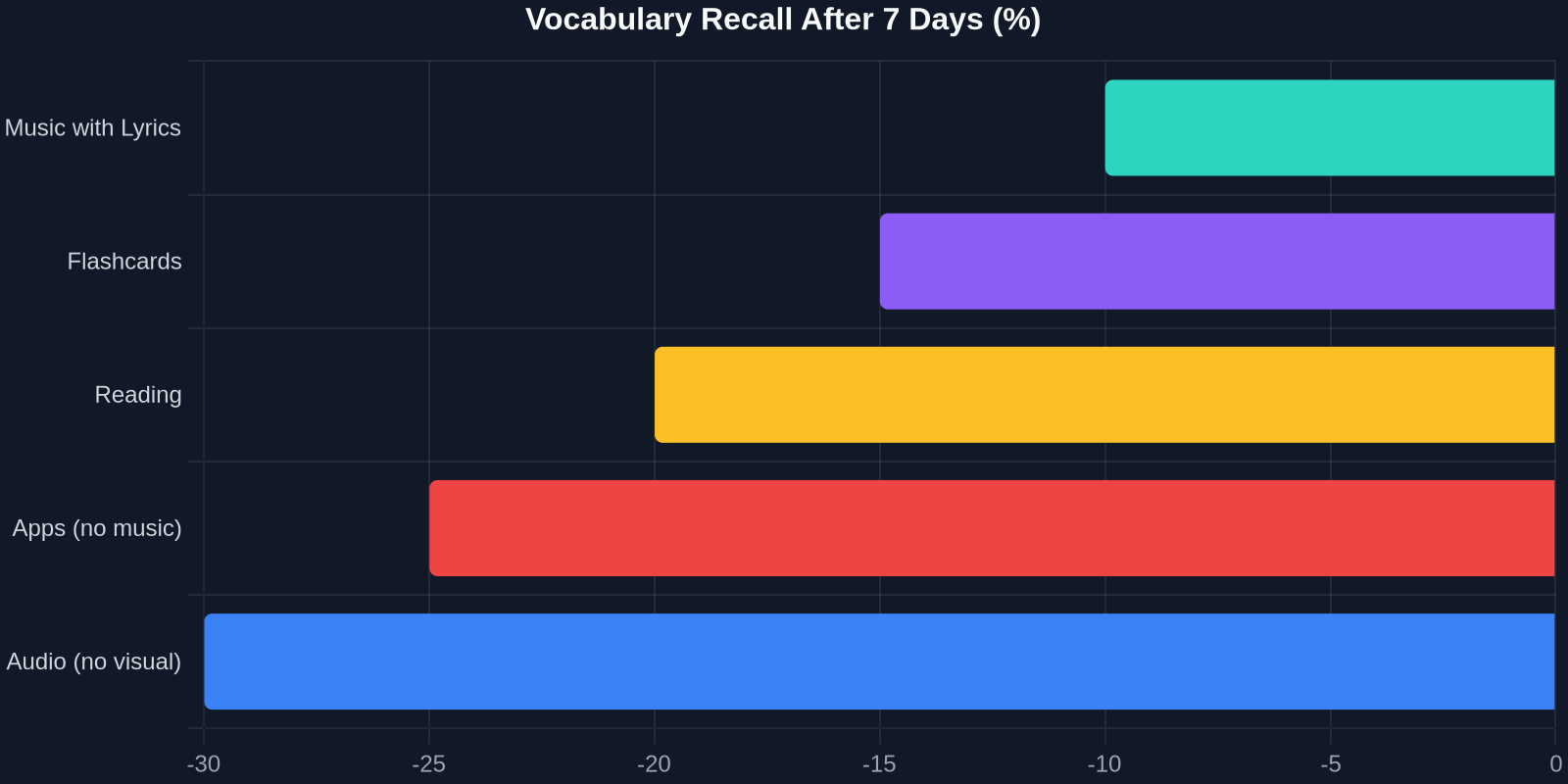
Grafiğin gösterdiği gibi, senkronize sözler içeren müzik, diğer tüm bireysel yöntemlerden daha iyi performans gösteriyor. Öğrenme zahmetsiz hissettiriyor ve unutma eğrisi önemli ölçüde düzleşiyor.
“Altyazılı Nesil”in Yükselişi
Herhangi bir dil öğrenme forumunda dolaşın ve aynı tavsiyeyi göreceksiniz: “Hedef dilinizdeki dizileri altyazılı izleyin.” Şimdi öğrenciler bunu bir adım daha ileri götürüyor: anında anlamayı köprülemek için hem orijinal hem de çeviri olmak üzere çift altyazı kullanıyorlar. Luca Lampariello gibi poliglotlar tarafından uzun süredir kullanılan bu yöntem, beynin bilinen ile bilinmeyen arasında sürekli, bağlamsal bağlantılar kurmasını sağlar.
Müzik bunun için mükemmel bir ortamdır. Şarkılar kısa, tekrarlanabilir ve günlük konuşma ifadeleriyle doludur. “Yo no sé mañana, no sé mañana si estaremos juntos” (Luis Enrique'nin bachata hitinden) gibi bir dize, gelecek zamanı, olumsuzluğu ve koşul yapısını, aklınızdan çıkmayan bir ifadeyle öğretir. Benzer şekilde, “Je ne regrette rien” Fransızcada olumsuzluğu pekiştirirken basit geçmiş zamanı tanıtır ve tüm bunlar dilbilgisini sabitleyen bir melodiyle olur.
Bu etkileşim, analistlerin “büyüme döngüsü” ile kastettiği şeydir. Bu sadece kullanıcı kazanımıyla ilgili değil, kullanım derinliğiyle ilgilidir. Pratik yapmak eğlence gibi hissettirdiğinde, oturum süreleri doğal olarak uzar.
Lyric Lingo: Pasif İzlemeden Yapılandırılmış Pratiğe
YouTube bir dil içeriği okyanusu olsa da, bir rehber olmadan gezinmek bunaltıcı olabilir. Lyric Lingo, halihazırda keyif aldığınız videoların üzerine doğrudan bir eğitim motoru yerleştirir. Bir satırda orijinal dil, sonraki satırda çeviri olacak şekilde çift altyazı görüntüler, böylece aynı anda izleyebilir, dinleyebilir ve okuyabilirsiniz. Araç, beynimizin gerçekte öğrenme şekli için tasarlanmıştır: tekrar, bağlam ve duygusal rezonans yoluyla.
Tipik bir oturum şu şekilde çalışır:
- Hedef dilinizde bir müzik videosu seçin (örneğin, İspanyolca için “Despacito”, Fransızca için “Papaoutai”).
- Şarkı çalarken çift altyazıları gözlemleyin. Fiil çekimlerinin ve argo ifadelerin gerçek zamanlı olarak nasıl çevrildiğine dikkat edin.
- Zorlayıcı satırları basit bir dokunuşla tekrar oynatın. Ritim gerisini halleder, daha sonra ifadeyi zahmetsizce mırıldanırken bulacaksınız.
Bu çok önemli bir ayrım. Evercore'un izlediği büyüme döngüsü, özel içerikten oluşan bir duvarlı bahçe inşa etmekle ilgili değil; öğrencilerin halihazırda yaşadığı çok modlu ekosistemi geliştirmekle ilgilidir.
Toparlanmanın Arkasındaki Veriler
YouTube'daki eğitim katmanları, sonuçları kadar iyidir. Lyric Lingo'nun beta kullanıcılarından alınan ön veriler (izinle paylaşılmıştır), herhangi bir analistin kulaklarını dikleştirecek modeller ortaya koyuyor:
Bu gerçek “büyüme döngüsü”, sadece kurulu taban değil, anlamlı bir şekilde odaklanmış dikkat dakikalarıdır. Bir dikkat ekonomisinde, bir platformun hayatta kalıp kalmayacağını belirleyen ölçüt budur.
“Öğretmenlerin veya ders kitaplarının yerini almıyoruz. Her çalma listesini potansiyel bir ders kitabı haline getiriyoruz ve veriler öğrencilerin kendi müfredatlarını yazdıklarını gösteriyor.”
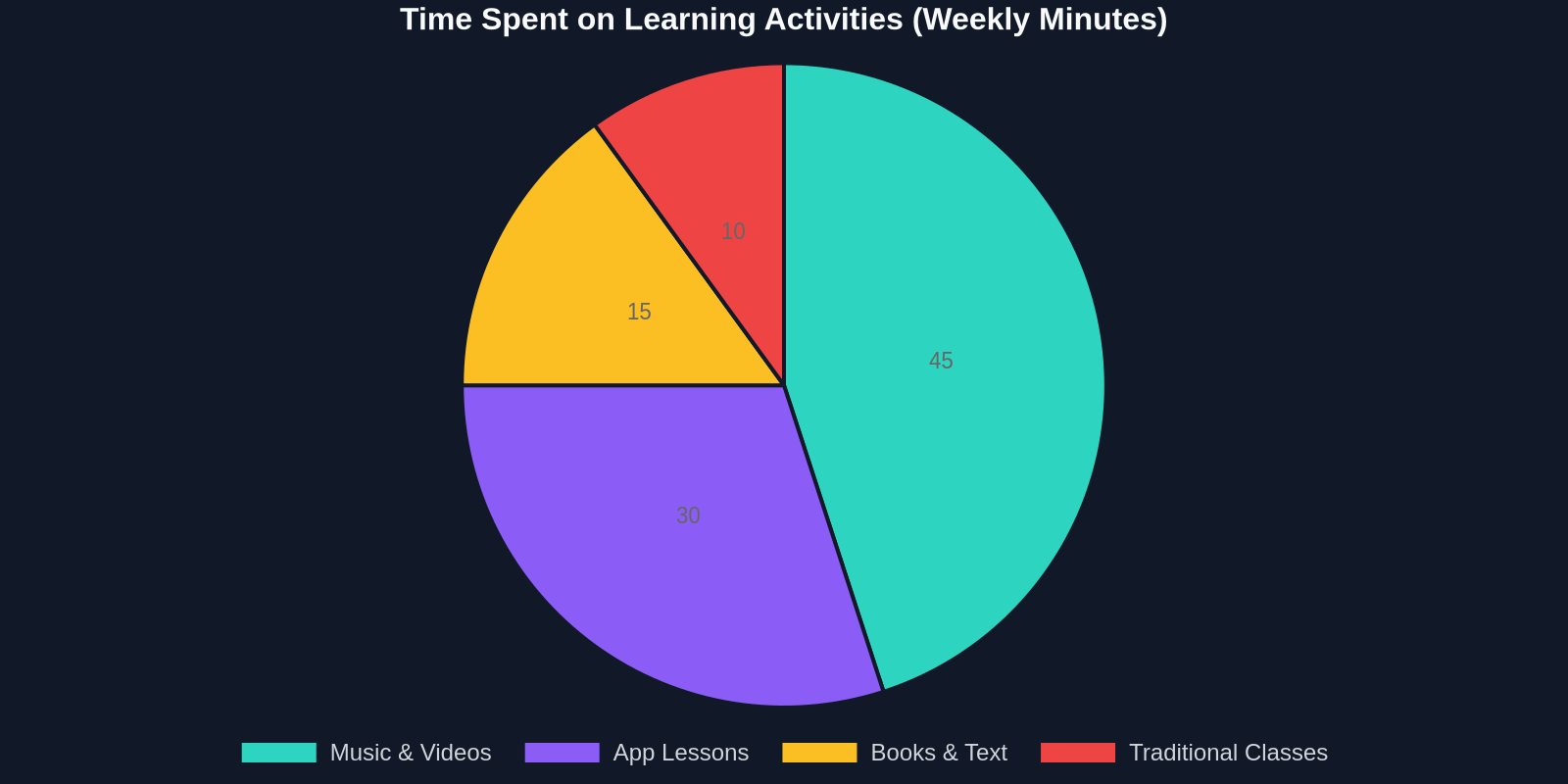
Yukarıdaki pasta grafiği, öğrenme etkinliğinin nasıl çeşitlendiğini gösteriyor. Müzik ve video artık kendi kendine yönlendirilen çalışmanın en büyük payına sahip ve uygulama tabanlı dersleri geride bırakıyor. Bunun nedeni uygulamaların başarısız olması değil; içerik havuzunun çok daha zengin olması. Şarkı öğretmeniniz olduğunda, asla materyaliniz tükenmez.
Yapay Zeka Açısı: Abartısız Kişiselleştirme
Evercore'un notu ayrıca yapay zeka odaklı özelliklere de işaret etti; insan etkileşiminin yerine geçmek için değil, doğru zorluk seviyesinde içerik öneren bir kişiselleştirme katmanı olarak. Örneğin Lyric Lingo'da, yeni başlayan birine net telaffuz ve tekrarlayan nakaratlara sahip bir pop şarkısı önerilirken, ileri düzey bir öğrenci karmaşık kelime oyunları içeren rap dizeleriyle uğraşabilir. Yapay zeka, bir videoyu önermeden önce kelime yoğunluğunu, hızını ve dilbilgisi yapılarını analiz eder.

Bu, öğrencileri “yakınsal gelişim alanında” tutan, zorlayan ancak hayal kırıklığına uğratmayan türden akıllı bir yapı iskelesidir. Bu, birçok kişinin bırakmasına neden olan herkese uyan tek tip bilgi kartlarından çok uzaktır.
Bu Geceki Çalma Listeniz: 5 Adımlık Bir Oturum
Pazarın toparlanmasını beklemenize gerek yok. Bu gece, araştırmalarla desteklenen bu 15 dakikalık oturumla başlayabilirsiniz:1. **Gerçekten sevdiğiniz bir şarkı seçin.**İspanyolca: Enrique Iglesias’tan “Bailando”. Fransızca: Angèle’den “Balance ton quoi”. İngilizce öğrenenler: Lewis Capaldi’den “Someone You Loved”. 2.Bir kez izleyinçift altyazılı olarak (Lyric Lingo kullanın veya şarkı sözlerini manuel olarak araştırın). Duraklatmayın; sadece ritmi ve duyguyu içinize çekin. 3.Öne çıkan bir dize seçin.“Bailando” için: “Yo te miro y se me corta la respiración”, dönüşlü fiil “cortarse” ve duygusal bağlama dikkat edin. 4.O dizeyi tekrar tekrar çalın5–7 kez, her iki dili de okurken. Şarkıcıyı taklit etmeye çalışın. 5.Gözlerinizi kapatın ve dizeyi ezberden söyleyin. Sahneyi gözünüzde canlandırın. Melodi kelimeleri taşıyacaktır.
Bunu haftada üç şarkı ile yapın ve bir ay içinde, uzun süreli belleğinizde depolanmış, duygusal yüklü ve dilbilgisi açısından zengin 12 ifadeden oluşan bir repertuvarınız olacak.
Sonuç: Sektörün Hatırlatması
Evercore ISI’nin fiyat hedefi sadece bir hisse senediyle ilgili değildi; dil öğrenmenin en iyi, sevdiğimiz içeriğin içinde kaybolduğunda işe yaradığının bir hatırlatıcısıydı. Bu büyüme döngüsünü kazanan araçlar sizden çalışmanızı istemeyecek, akıcılığa giden yolda izlemenize, dinlemenize ve hissetmenize izin verecek. Verilerin gösterdiği gibi, müzik, kelime dağarcığına hakim olmanın en yüksek kalıcılığa ve en düşük çabaya sahip yoludur. Ve Lyric Lingo gibi katmanlar her YouTube videosunu yapılandırılmış bir çift altyazı dersine dönüştürürken, toparlanma daha yeni başlıyor.
İster bir yatırımcı, ister bir öğretmen, ister ilk kez Fransızca öğrenen biri olun, mesaj açık: çalma listesi yeni ders kitabıdır. Oynat'a basın.