


How Chilean Folk Music Taught Me More Spanish Than Any Classroom Ever Did

The first time I heard Violeta Parra’s “Gracias a la vida,” I understood barely a word. Yet the melody carried a weight that made me want to dig deeper. Soon, I was decoding lines like “Gracias a la vida que me ha dado tanto” – and suddenly, Spanish grammar and vocabulary weren’t abstract rules but living, breathing expressions of gratitude. This is the story of how Chilean folk music became my most effective Spanish teacher, and how you can harness its power with the right tools and techniques.
The brain processes music and language in overlapping neural networks. Rhythm activates the motor cortex, melody stimulates the limbic system, and lyrics engage the temporal lobe’s language centers. This multi-sensory engagement creates richer neural pathways, making memory retrieval faster and more robust. When you learn “el pueblo unido jamás será vencido” from the iconic Inti-Illimani song, the driving rhythm and emotional fervor glue the phrase to your memory far more securely than a flashcard ever could.
Why Chilean Folk Music Is a Language Goldmine
The Nueva Canción movement of the 1960s and 70s produced songs that are deliberately clear, poetic, and rich in everyday vocabulary. Singers like Violeta Parra, Victor Jara, and groups like Inti-Illimani and Quilapayún performed with crisp diction, making their lyrics easier to follow than many pop songs. The thematic content, love, social justice, nature, daily life, covers essential vocabulary sets. For example, “Viva la gente” or “El apagón” expose you to words about community, struggle, and urban life. The guitar-based instrumentation is unobtrusive, leaving the voice front and center.
“The poetic simplicity of Chilean folk lyrics offers a perfect entry point for intermediate learners, rich in vocabulary, yet accessible.”
Decoding the Lyrics: From Passive Listening to Active Learning
Start with a song you love. Listen once without text to catch the melody and mood. Then, use a dual-subtitle tool to see the Spanish and English side by side as the video plays. Pause on unfamiliar phrases. For instance, in “La Jardinera” by Violeta Parra, you’ll encounter “Para que no me olvides, tejiendo mis amores” – the subjunctive mood, the reflexive “me olvides,” the gerund “tejiendo.” Each line becomes a mini grammar lesson. After understanding, sing along to practice pronunciation and intonation.
Cultural Immersion in Every Verse
Learning the context behind “La Cueca” or “El Canto del Pueblo” teaches you history, geography, and social norms. Words like “culpeo” (a fox species) or “quilombo” (mess) gain depth. This cultural anchoring makes vocabulary stick because it’s tied to stories and images, not just definitions.
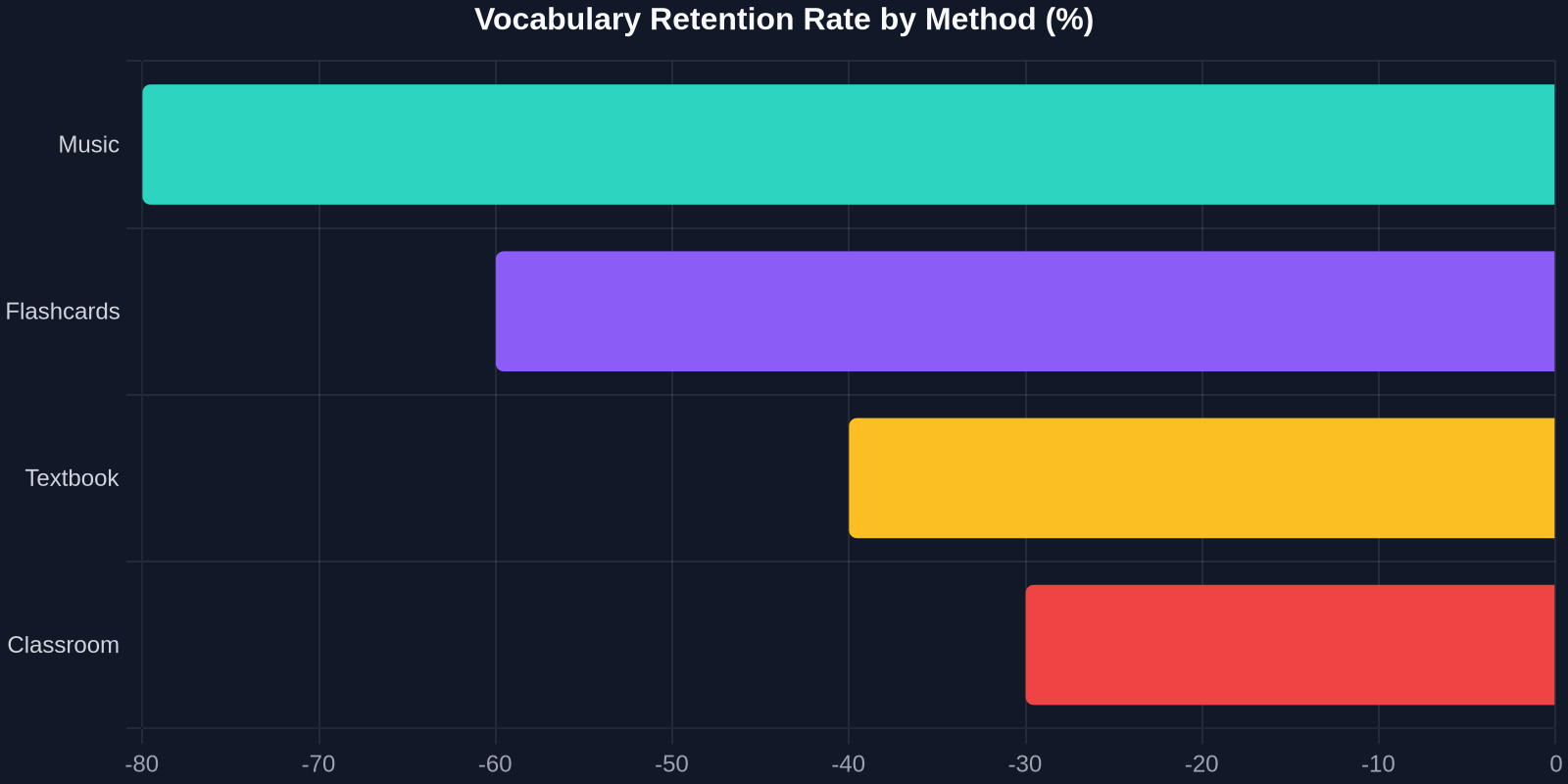
| Method | Vocabulary Retention | Cultural Insight | Engagement |
|---|---|---|---|
| Traditional classroom | Moderate | Low | Low |
| Flashcard apps | High | None | Low |
| Music-based learning | Very High | High | High |
Practical Steps to Build Your Chilean Music Study Routine
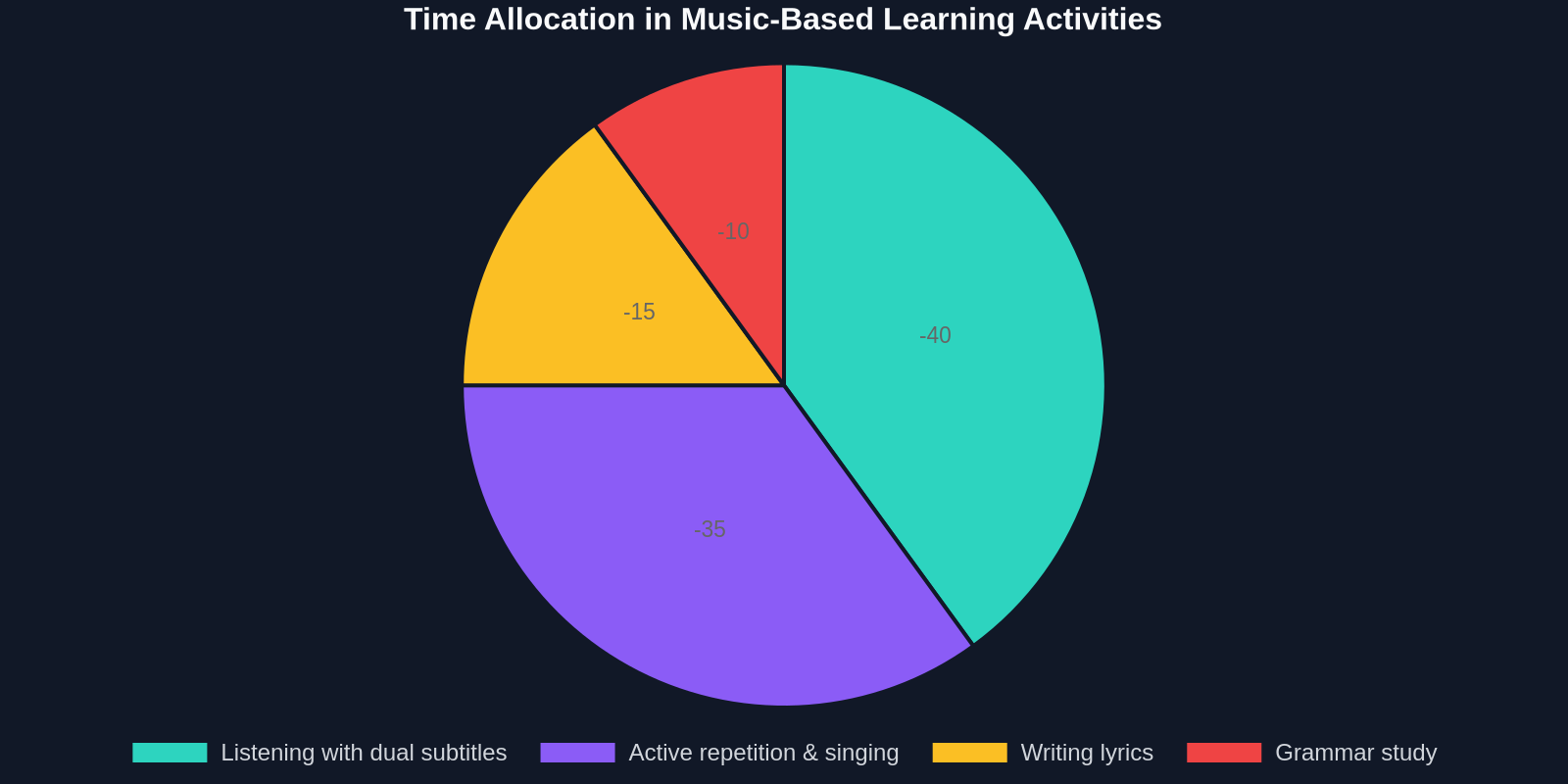
Consistency is key. Start with 15 minutes a day. Choose a song on YouTube, listen without subtitles, then activate Lyric Lingo’s dual subtitles. Pause and repeat each line, jot down new words, and create a personal glossary. Sing along from memory, then discuss the song with a language partner. This active cycle turns a passive playlist into a structured curriculum.
Lyric Lingo: Your Companion for Deep Listening
Lyric Lingo is designed for exactly this kind of study. It overlays dual subtitles on YouTube videos, letting you pause, rewind, and repeat specific lines without ever leaving the video. You can tap on any word to see its meaning, save phrases to a personal list, and adjust the speed to match your level. It doesn’t host or redistribute any video or audio, it simply adds a learning layer on top of the content you already love. For Chilean folk songs, it’s the perfect companion to unlock every line of Violeta Parra or Victor Jara.
Beyond the Playlist: Advanced Strategies
Once you’re comfortable with a song, try transcribing a verse by ear. Write your own simple lyrics using the same melody and vocabulary, this activates generative language skills. Record yourself singing and compare your pronunciation to the original. Join online communities of music lovers and exchange interpretations of classic songs. These deep-dive activities cement vocabulary and grammar in a way that drills never can.
The classroom gave me verb tables; Chilean folk music gave me a voice. With the right approach, you can turn every song into a lesson, and every lesson into a memory that lasts. Let the guitar be your new textbook, and let Lyric Lingo guide your way.