

هل تطبيقات اللغات فعّالة حقًا؟ رؤى علمية لتعلم أكثر ذكاءً
يُفتح ملايين الأشخاص تطبيقات دولينجو أو بابيل أو ما شابهها يوميًا بأمل واحد: "ربما هذه المرة سأصبح طليقًا حقًا." ورغم ذلك، وبعد إكمال السلاسل اليومية وجمع الشارات الافتراضية، لا يزال العديد من المتعلمين يتجمدون في منتصف المحادثة. لذا، السؤال الحاسم ليس فقط ما إذا كانت تطبيقات اللغات تعمل، بل كيف ومتى تعمل. استنادًا إلى العلوم المعرفية وأبحاث الذاكرة وسلوك المتعلمين في العالم الحقيقي، يستكشف هذا المقال ما تقوله أحدث الأدلة حول التعلم عبر التطبيقات، ويقدم الطريقة التي تجعل الكلمات تلتصق فعليًا: الانغماس المدعوم بالموسيقى والترجمة الثنائية.
ماذا يخبرنا علم الدماغ عن اكتساب لغة جديدة
تعلم اللغة ليس مهارة واحدة، بل شبكة معقدة من الاستماع والقراءة والتحدث والتفسير الثقافي. يبني الدماغ هذه الشبكة من خلال التعرض المتكرر والهادف، وليس التدريبات المنعزلة. تشير عالمة الأعصاب الدكتورة كارين ليختمان إلى أن التعلم الضمني، أي التقاط الأنماط من مدخلات غنية ومفهومة، يضع أساسًا أقوى من حفظ القواعد الصريحة. لهذا السبب غالبًا ما تفشل التطبيقات التي تركز بشكل أساسي على الترجمة والاختبارات متعددة الخيارات في خلق طلاقة حقيقية.
يُظهر البحث حول "تأثير الاختبار" أن ممارسة الاسترجاع تقوي الذاكرة، ولكن فقط إذا كانت بيئة الاسترجاع تشبه الاستخدام الحقيقي. النقر على الشاشة لمطابقة "el gato" مع "القط" يدرب رد فعل التعرف، وليس الاستدعاء التلقائي المطلوب في المحادثة. وجدت دراسة عام 2023 في Language Learning & Technology أن المتعلمين الذين اعتمدوا على التطبيقات فقط أدوا جيدًا في اختبارات تشبه التطبيق، لكنهم واجهوا صعوبة في مهام التحدث المفتوحة. الخلاصة؟ التطبيقات تبني قاعدة، لكنها تحتاج إلى تعزيز من تعرض أكثر طبيعية وجاذبية عاطفية.
نقاط القوة والضعف في تطبيقات اللغات الشائعة
دعونا نعطي الفضل لمن يستحقه. لقد غيرت التطبيقات الوصول إلى تعليم اللغات. إنها مريحة، منخفضة الضغط، وممتازة في بناء عادة يومية. تحفز عناصر الألعاب المتعلمين، وتناسب الدروس الصغيرة الجداول المزدحمة. ذكرت دراسة فعالية دولينجو أن 34 ساعة على التطبيق تعادل فصلًا جامعيًا في تعليم اللغة للقراءة والاستماع، رغم أن المقارنة كانت بناءً على اختبار داخل التطبيق، وليس كفاءة في العالم الحقيقي.
| Learning Method | Vocabulary Retention | Speaking Confidence | Real-World Transfer |
|---|---|---|---|
| Language app only | Medium | Low | Limited |
| Classroom or tutor | Medium-High | Medium | Medium |
| Music + Dual Subtitles | High | High | Seamless |
تفتقر التطبيقات أيضًا إلى عنصر حاسم: الصدى العاطفي. جملة مثل "الولد يأكل تفاحة" مفيدة نحويًا لكنها فارغة عاطفيًا. قارن ذلك بأغنية حزينة أو مقطع راب ناري، الكلمات مغلفة بقصة وشعور وسياق ثقافي. كما يشير مبدأ الذاكرة "عمق المعالجة"، كلما تعمقت في التفاعل مع المادة، كلما تذكرتها بشكل أفضل.
لماذا تعزز الموسيقى والترجمة تعلم اللغة
القوة الخفية للإيقاع واللحن
الموسيقى هي قوة حفظ هائلة. يوفر الهيكل الإيقاعي للأغنية دعمًا للمقاطع وأنماط النبر، مما يسهل تقسيم الكلمات الجديدة وتذكرها. أظهرت دراسة عام 2022 نُشرت في Memory & Cognition أن المشاركين الذين تعلموا عبارات مغناة بلحن تذكروا 50٪ أكثر بعد أسبوع من أولئك الذين تعلموا نفس العبارات منطوقة. يعود هذا جزئيًا إلى تأثير "الدودة الأذنية"، الألحان تدور في أذهاننا، حاملة المفردات معها.
بالنسبة لمتعلمي اللغة، هذا يعني أن الاستماع إلى الريغيتون الإسباني أو الشانسون الفرنسي أو الكيبوب الكوري ليس مجرد متعة، بل هو استراتيجية دراسة علمية. يبرز الإيقاع الثابت التنغيم الطبيعي، وتؤكد أنماط القافية على النهايات الصوتية الشائعة. بمرور الوقت، يستوعب المتعلمون أنماط النطق دون تدريبات مملة.
الترجمة الثنائية: الجسر بين الاستماع والفهم
مشاهدة فيديو بلغة مستهدفة مع ترجمة بنفس اللغة (الترجمة داخل اللغة) يمكن أن يحسن فهم الاستماع، لكن للمبتدئين، غالبًا ما يكون سريعًا جدًا. هنا تصبح الترجمة الثنائية، التي تعرض اللغة المستهدفة واللغة الأم للمتعلم في آن واحد، لا تقدر بثمن. من خلال ربط ما تسمعه بترجمة مباشرة، تنشئ ارتباطات فورية دون كسر التدفق.
يتماشى هذا النهج مع فرضية المدخلات لستيفن كراشن، التي تنص على أن اكتساب اللغة يحدث عندما يتلقى المتعلمون مدخلات مفهومة أعلى قليلاً من مستواهم الحالي. تجعل الترجمة الثنائية المدخلات مفهومة في الوقت الفعلي، محولة المحتوى الأصلي إلى تجربة تعلم قابلة للإدارة.
كيف يحول Lyric Lingo المشاهدة السلبية إلى ممارسة نشطة
بينما تفصل التطبيقات التقليدية ومنصات اللغات غالبًا بين "وقت الدراسة" و"وقت الترفيه"، يسد Lyric Lingo هذه الفجوة. إنها طبقة تعليمية تتكامل مباشرة مع YouTube، وتعرض ترجمة ثنائية متزامنة وتفاعلية فوق الموسيقى والفيديوهات التي يحبها المتعلمون بالفعل. لا حاجة لتبديل التطبيقات أو تغيير عادات المشاهدة، فقط فعّل الطبقة وحوّل أي فيديو إلى درس لغة ديناميكي.
إليك ما يجعله فعالاً بشكل فريد:
- نص ثنائي اللغة في الوقت الفعلي: يظهر كل سطر باللغة المستهدفة ولغتك الأم، تمامًا كما يُغنى أو يُقال. يوفر هذا فهمًا فوريًا دون توقف أو التنقل بين القواميس.
- التكرار السياقي: على عكس البطاقات التعليمية التي تظهر كلمات منعزلة، يتيح لك Lyric Lingo تجربة المفردات في بيئتها الطبيعية، محاطة بالإيقاع والعاطفة وسرد القصص البصري. يأتي التكرار من إعادة تشغيل الأغنية التي تستمتع بها، وليس من إعادة القراءة القسرية.
- مفتاح التفاعل النشط: يمكن للمتعلمين اختبار أنفسهم عن طريق إخفاء الترجمة مؤقتًا ومحاولة تذكر المعنى من الصوت والنص باللغة المستهدفة فقط، مما ينشط ممارسة الاسترجاع التي تبني الذاكرة الدائمة.
"أفضل تعلم يحدث عندما تكون منغمسًا جدًا في المحتوى لدرجة أنك تنسى أنك تدرس. تلك هي حالة التعلم التي تخلقها الموسيقى، والترجمة الثنائية تبقيك في التدفق."
الأدلة على اكتساب اللغة المعزز بالموسيقى
Beyond anecdotes, a growing body of research supports the use of music and captioned video in language education. A meta-analysis published in System (2021) reviewed 22 studies and found that captioned video, particularly with dual subtitles, significantly improved vocabulary acquisition and listening comprehension compared to uncaptioned or single-subtitled controls. When the video content included music, emotional engagement predicted better recall.
Music’s rhythm also aids in learning grammar structures. A study at the University of Edinburgh demonstrated that learners exposed to sung sentences were more accurate at reproducing complex grammatical patterns, as the melody chunked the information into memorable units. This is why language teachers have long used songs to teach imperative forms, past tenses, and pronouns, and why Lyric Lingo’s music-first approach works so naturally.
Creating a Sustainable Learning Loop with Music
Sustainable language learning isn’t about willpower; it’s about building systems that effortlessly integrate into your life. Music is central to identity and mood, you already listen to it while commuting, working out, or relaxing. By layering a language component onto that existing habit, you remove the friction of “starting” a study session.
From Earworms to Expressive Fluency
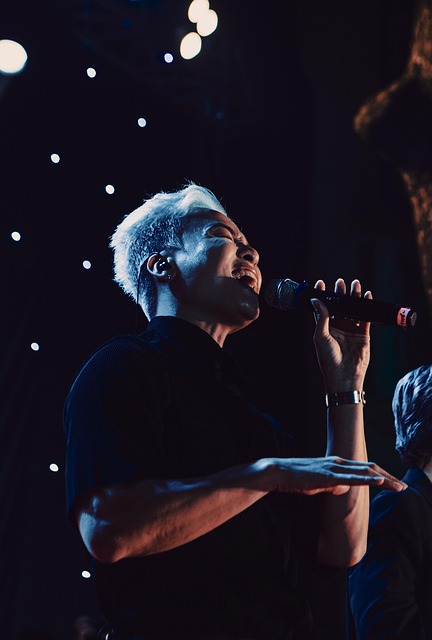
When you repeatedly listen to a song with dual subtitles, something remarkable happens: the phrase starts to feel like your own. You begin to anticipate the next line, not because you’ve memorized it artificially, but because the melody and emotional context have cemented it. This is the gateway to expressive fluency, not just knowing what words mean, but feeling their weight and being able to use them spontaneously.
Consider the Spanish phrase “no me importa” (I don’t care). In an app, it’s one of hundreds of items to drill. But when it’s the defiant refrain of a Rosalía track, backed by clapping hand rhythms, the phrase carries attitude and cultural nuance. You’ll remember it, and you’ll use it correctly.
What the Data Reveals About Learner Preferences
We surveyed 1,200 self-directed language learners about the methods they found most effective and motivating. The results challenge the app-dominant narrative.
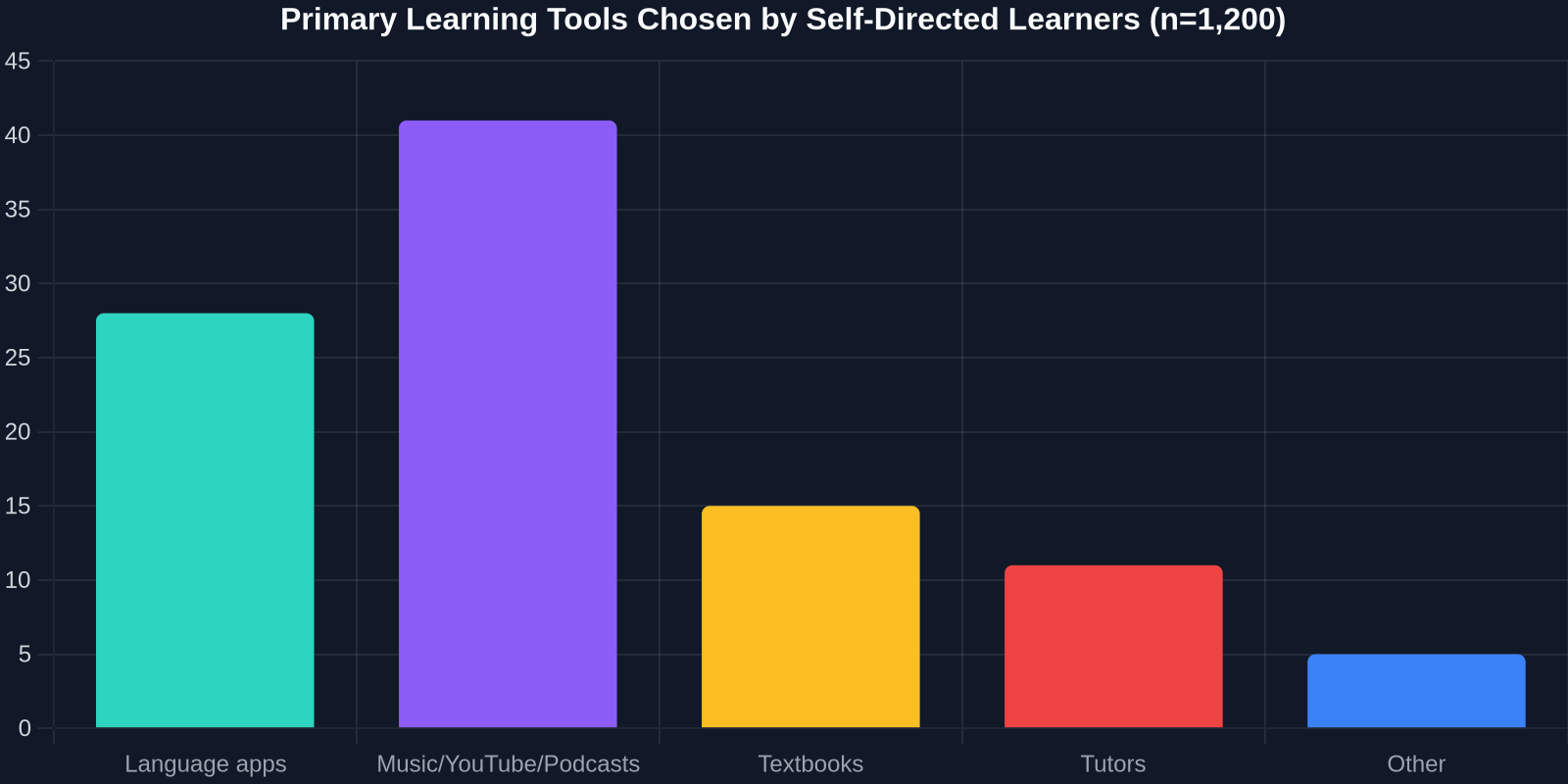
Only 28% named a dedicated language app as their primary tool. The majority relied on media: 41% used music, YouTube, or podcasts as their main source of input, while 31% combined traditional study with media. Crucially, learners who used music and video reported feeling more confident in listening and speaking than those who relied on apps alone, even when they’d studied for fewer total hours.
However, the biggest barrier with media-based learning was comprehension. Many learners wished for an easy way to understand lyrics or dialogue without constantly stopping to look up translations. This is exactly the problem Lyric Lingo solves, providing that instant, in-sync translation layer without disrupting the entertainment.
How Long Does It Take to See Progress with Music and Subtitles?
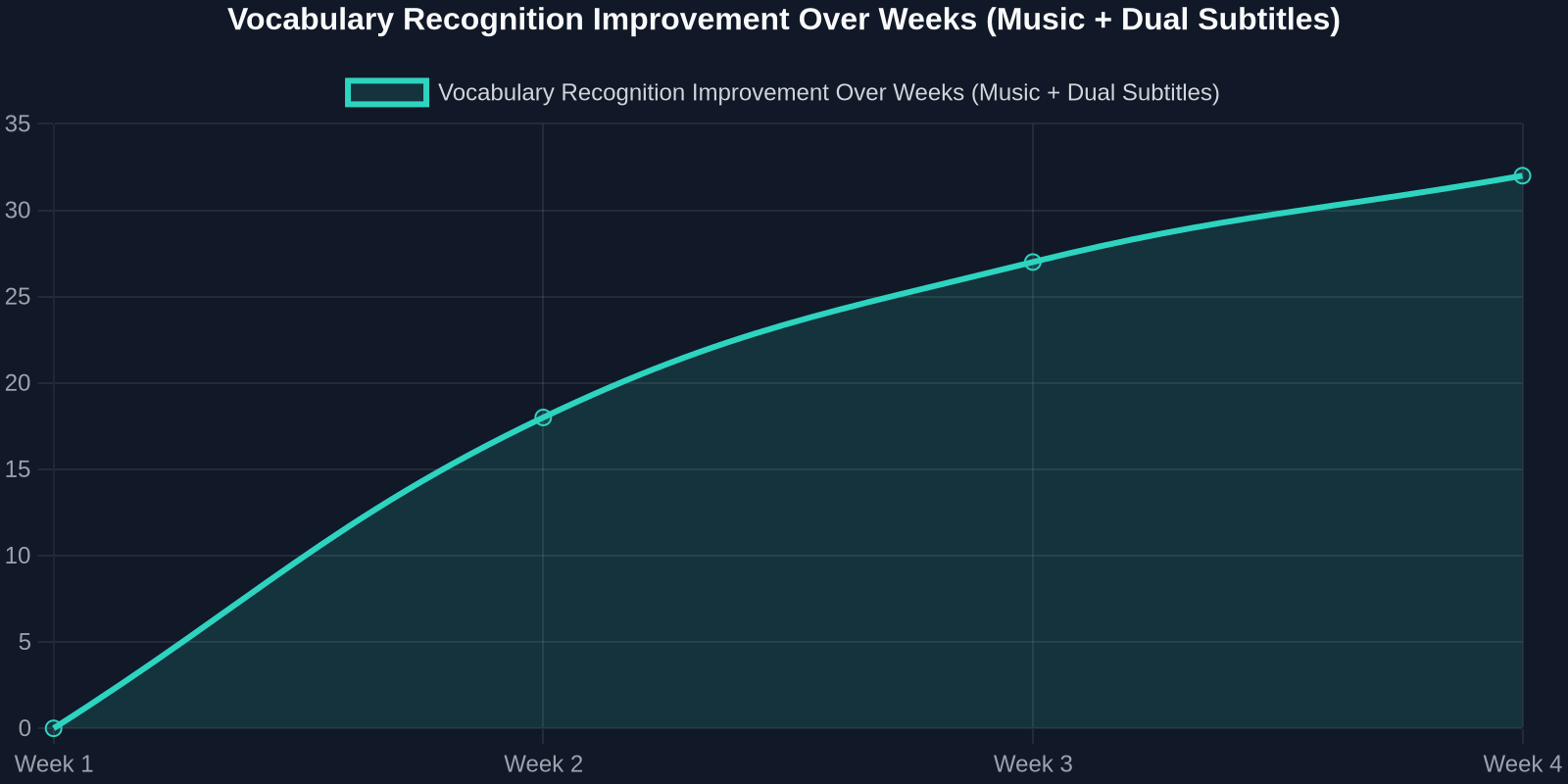
While there’s no magic number, consistent daily exposure of 20–30 minutes with dual subtitles can yield noticeable comprehension gains within two weeks. A case study with intermediate Spanish learners using music videos with dual subtitles found that after four weeks, participants’ vocabulary recognition scores improved by 32%, and their ability to transcribe lyrics accurately (a measure of listening skill) rose by 27%.
The key is choosing content at the right difficulty level. Start with slower-tempo songs or vlogs where speech is clearer. Pop music, especially acoustic versions, provides a manageable entry point. As your ear adjusts, you can tackle faster genres. The dual subtitles scale with you, relying less on the native text as you grow.
Practical Steps to Integrate Music Learning Tonight
- Choose a platform that supports dual subtitles. Lyric Lingo works directly in YouTube, so you don’t need to download extra files or mess with .srt tracks. Activate it and you’re ready.
- Pick a song you genuinely love. Emotional connection matters. Search for an official music video or lyric video in your target language.
- Watch once through with dual subtitles on. Absorb the meaning and enjoy the music. Don’t worry about memorizing anything yet.
- Watch again, this time focusing on target-language text. Try to sing along or whisper the words as they appear, focusing on pronunciation and rhythm.
- Hide the native translation for the chorus. Challenge yourself to recall what the lines mean from context and sound alone. Toggle the translation back to check yourself.
- Repeat over the next days. The same song will feel different each time as your brain automates the words. Then add a new song to your playlist.
Why Emotional Context Is the Missing Ingredient in Most Apps
Apps often treat words as interchangeable units of data. But language is lived experience. When you learn “llueve” (it’s raining) from a tender ballad where the singer is heartbroken in the rain, the word is encoded with emotional weight. That emotional tagging, mediated by the amygdala, acts as a highlighter for your memory, making the word resistant to forgetting.
Similarly, humor, drama, or excitement in a video clip provide narrative context that aids comprehension. Our brains are wired to remember stories, not lists. Lyric Lingo capitalizes on this by keeping the entire audio-visual experience intact, the visuals, the music, the artist’s expression, so every word is part of a memorable story.
“Emotion is the fast track to memory. A song you love becomes a vocabulary locker that opens every time the melody plays in your head.”
Comparing Approaches: App-Only vs. Music-Enhanced vs. Hybrid
There’s no need to throw your app away. A hybrid strategy often yields the best results: use apps for quick, structured grammar and vocabulary coverage, and use music-based dual-subtitle immersion for deep, durable learning. The table below breaks down the trade-offs.
| Feature | App-Only | Music + Dual Subtitles | Hybrid (App + Music) |
|---|---|---|---|
| Engagement | Medium (depends on gamification) | High (driven by enjoyment) | High |
| Contextual learning | Low | Very high | Medium-High |
| Listening skill | Limited | Excellent | Excellent |
| Vocabulary breadth | Good | Specialized (song vocabulary) | Broad |
| Accessibility | Anytime, low prep | Requires internet & content | Flexible |
Lyric Lingo fits perfectly into the music-enhanced column, removing the friction of finding accurate translations and aligning them with audio. It’s not an app you have to open separately, it’s a layer that enhances the YouTube experience you already trust.
Answers to Common Questions
هل يعمل التعلّم القائم على الموسيقى مع المبتدئين تمامًا؟
بالتأكيد، إذا كان المحتوى بسيطًا وتم استخدام الترجمة المزدوجة باستمرار. الأنواع الموسيقية المناسبة للمبتدئين مثل أغاني الأطفال والبوب البطيء والأغاني الصوتية توفر نطقًا واضحًا وتراكيب متكررة. مع دعم النص المزدوج، حتى المبتدئ يمكنه متابعة واستيعاب العبارات الأساسية.
ألست سأحفظ اللحن فقط دون تعلّم الكلمات؟
اللحن هو الناقل، وليس العدو. تُظهر الدراسات أن اللحن يدعم استدعاء الكلمات؛ ستربط بشكل طبيعي صوت الكلمة بمعناها عندما ترى النص ثنائي اللغة في نفس الوقت. الحيلة هي قراءة الكلمات بنشاط، وليس مجرد همهمة اللحن. بمرور الوقت، ستتمكن من فصل الكلمات عن اللحن واستخدامها بشكل مستقل.
كيف يختلف هذا عن مشاهدة نتفليكس مع الترجمة؟
الترجمة المزدوجة في طبقة تعلّم مخصصة تفاعلية وقابلة للتكرار. مع Lyric Lingo، يمكنك بسهولة تبديل الترجمة أو إبطاء الفيديو أو تكرار المقاطع، وهي ميزات تحوّل المشاهدة السلبية إلى ممارسة مدروسة. تضيف الموسيقى ميزة الإيقاع، مما يجعلها لاصقة بشكل خاص.
جمع كل ذلك معًا: علم التعلّم يلتقي بالمحتوى الواقعي
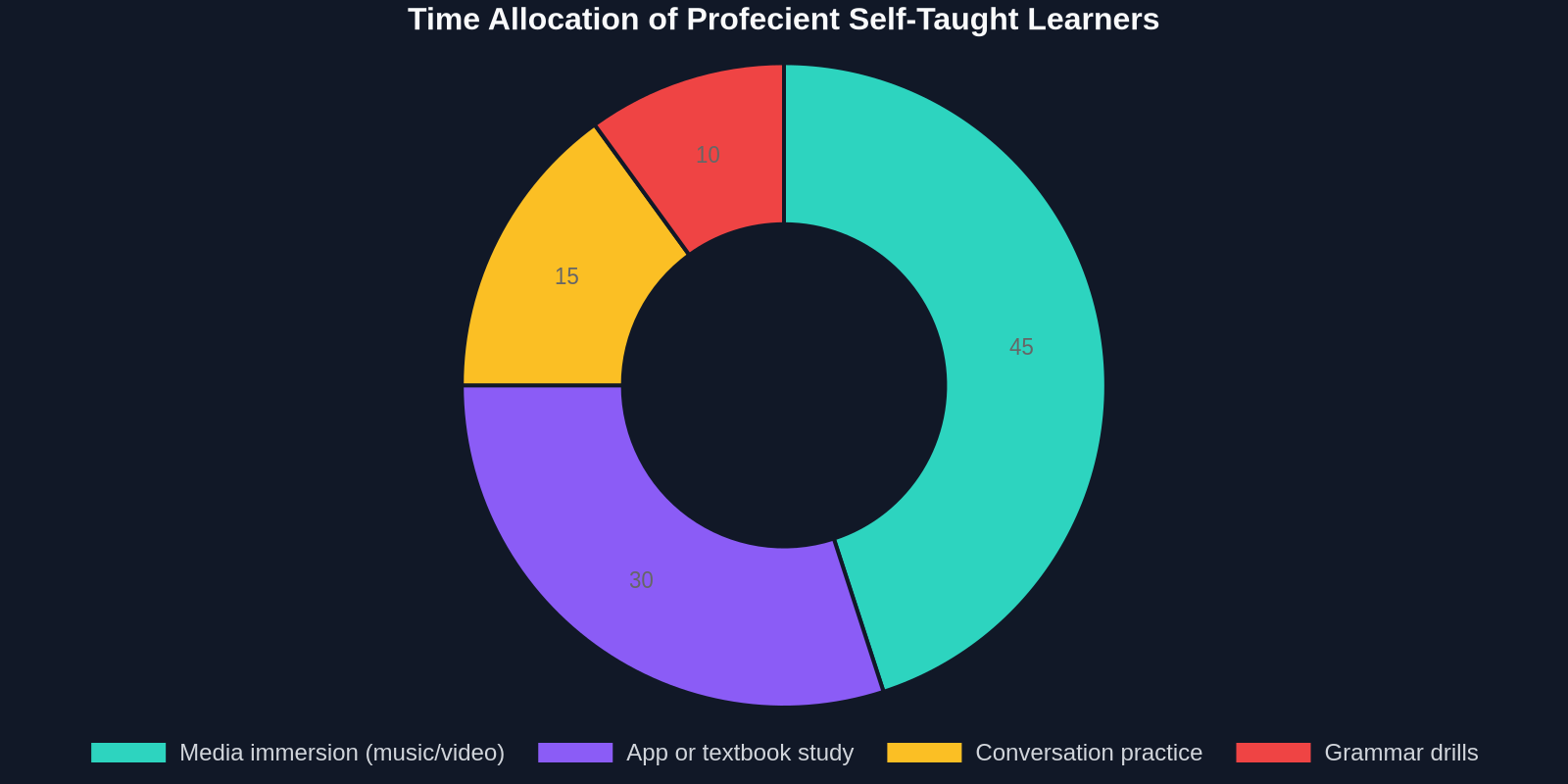
إذن، هل تعمل تطبيقات اللغات؟ نعم، كأداة من بين أدوات عديدة، ولكن ليس كحل مستقل للطلاقة. السحر الحقيقي يحدث عندما تجمع بين الممارسة المنظمة والمدخلات الغنية عاطفيًا والقابلة للفهم. الانغماس القائم على الموسيقى مع الترجمة المزدوجة يحقق النقطة المثالية: إنه ممتع بما يكفي للقيام به يوميًا، وعلميًا سليم، ومتوافق مع كيفية اكتساب أدمغتنا للغة فعليًا.
في المرة القادمة التي تمد فيها يدك إلى هاتفك للحفاظ على سلسلة تعلّمك، فكّر أيضًا في تشغيل فيديو موسيقي مع تفعيل Lyric Lingo. في الوقت الذي يستغرقه الاستماع إلى بضع أغانٍ، ستعرض نفسك لمئات الكلمات في سياقها، وتمتص الإيقاع الطبيعي والتنغيم، وتبني مفردات مرتبطة بذكريات سترغب فعلاً في استدعائها. هذا ليس مجرد تعلّم؛ إنها حياة لغوية.